Inca Jungle Trek – Inca Trail Machupicchu Tours and treks

Blogs

Inca Jungle Trail: The Ultimate Adventure Itinerary

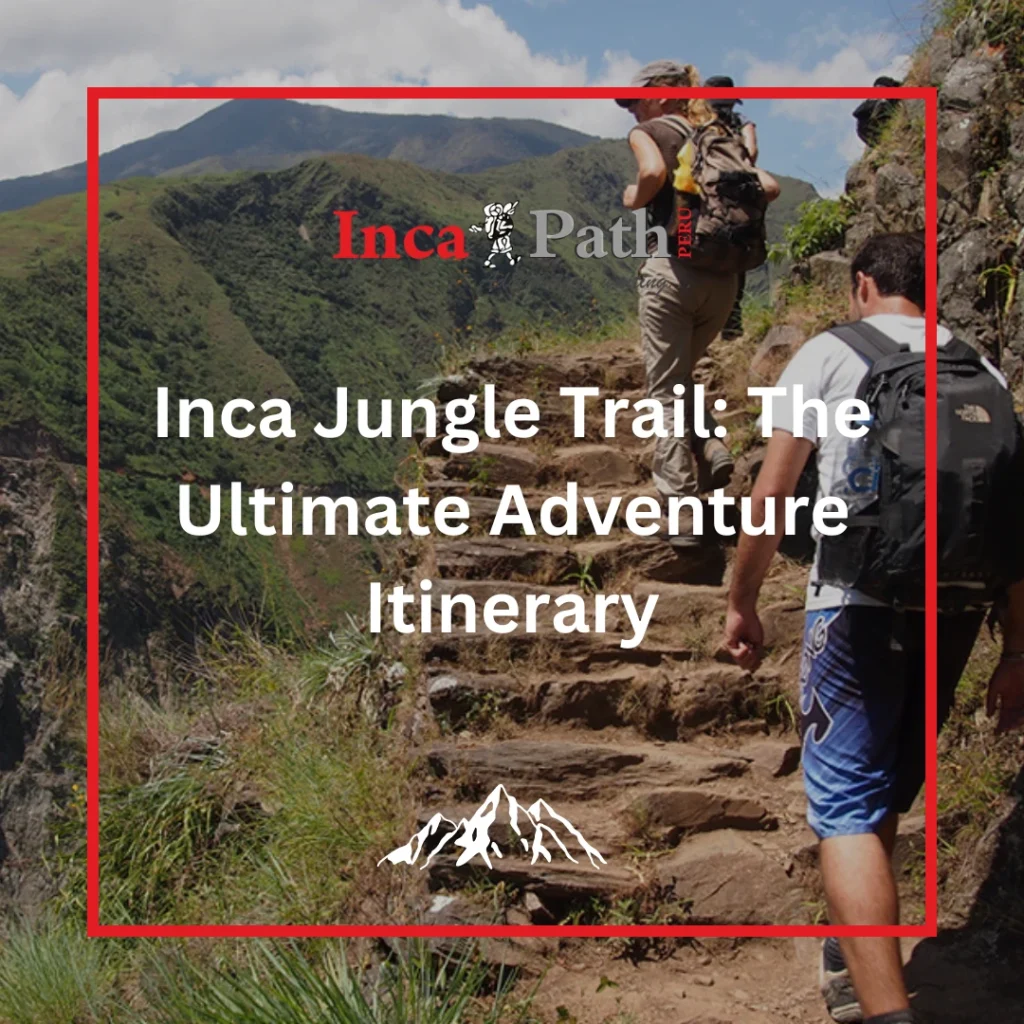
Inca Jungle Trail: Ultimate Adventure Itinerary

The Inca Jungle Trail adventure is the real ultimate adventure. This route offers more than just a trek to Machu Picchu. It’s a thrilling blend of hiking, biking, and more. Your journey will take you through stunning landscapes and historic ruins. Each day promises a new challenge and a rewarding experience. Discover the lush jungles, breathtaking mountains, and rich cultural heritage. This blog post provides the ultimate adventure itinerary for the Inca Jungle Trek to Machu Picchu. We’ve tailored every detail to enhance your experience. Get ready for an unforgettable adventure that goes beyond the ordinary. Day-by-Day Breakdown: Navigating the Inca Jungle Trail Day 1: Cusco to Santa Maria – Biking and Thrills The Inca Jungle Trek begins with a journey from Cusco to Abra Malaga. The peak offers breathtaking views before the adrenaline-pumping bike ride down. This descent is a highlight, featuring lush landscapes and a thrilling challenge. Upon reaching the valley, the group takes a short break. Here, expert guides share insights about the trail ahead. The day ends in Santa Maria with an optional visit to local hot springs, perfect for relaxing muscles after the day’s adventures. Staying overnight in Santa Maria, trekkers can reflect on the day. The town offers a peaceful backdrop for the night. Here, you truly start feeling the adventure of the Inca Jungle Trail. Day 2: Santa Maria to Santa Teresa – River Trekking and Zip Lining Day two amps up the excitement with river trekking. The path runs alongside the roaring river, filled with natural beauty. This section requires stamina and offers an authentic jungle experience. In the afternoon, it’s time for zip lining. This activity is not just fun; it provides stunning aerial views of the forest. Those not keen on zip lining can hike additional jungle paths with their tour guide. The day concludes in Santa Teresa. The small town is cozy and offers another chance for trekkers to unwind. Here, everyone prepares for the final stretch to Machu Picchu. Day 3: Santa Teresa to Aguas Calientes – Ancient Trails and Thermal Waters Hiking from Santa Teresa to Aguas Calientes is magical. The trail passes through coffee plantations and over historic bridges. It’s a quieter day but filled with the rich history of the Inca Jungle Trail. Midday, trekkers enjoy a relaxed lunch by the river. The calming sounds of nature provide a perfect backdrop. Later, the path leads to more secluded areas, where flora and fauna flourish. Arriving in Aguas Calientes, trekkers check into their hotel. This town is the gateway to Machu Picchu. Most importantly, it offers a good night’s sleep before the final climb. Day 4: Machu Picchu – The Dream Destination The last day starts early, with a climb up to Machu Picchu Mountain. This ascent is challenging but rewarding with unforgettable views of Machu Picchu. Reaching Machu Picchu at sunrise offers a stunning spectacle that’s hard to describe. Trekkers explore the iconic citadel with their tour guide. This includes visiting famous spots and learning about Inca history. It’s a fulfilling conclusion to the Inca Jungle Trek to Machu Picchu. Finally, the return to Cusco begins. Train tickets are usually arranged by the tour operators, making the journey back smooth. Reflecting on the past four days, most trekkers feel a mix of accomplishment and awe. Practical Advices and Tips The Inca Jungle Tour is an amazing experience. It combines history, adventure, and natural beauty in a unique way. Each day brings new challenges and wonders, making it a highly recommendable adventure. For anyone considering this trek, it’s important to be well ready. Pricing for the Inca Jungle Trail varies, so it’s wise to check options and included amenities. Keep in mind that good physical condition and a spirit of adventure are essential. The Inca Jungle Trail to Machu Picchu offers more than just a trek. It’s an exploration of nature, history, and personal limits. It’s an adventure that stays with you long after you’ve returned home. Essential Gear and Preparation Tips for the Inca Jungle Getting ready for the Inca Jungle Trek requires thoughtful preparation. The right gear ensures comfort and safety throughout the journey. This guide will help you pack effectively for the trek to Machu Picchu. Start with a sturdy backpack. It should hold all your essentials and still be comfortable. Choose one with good support and multiple compartments for easy access. Footwear is critical. Invest in high-quality hiking boots that are waterproof and broken-in. Blisters can turn an adventure into a painful ordeal, so proper footwear is key. Clothing and Layering The weather on the Inca Jungle Trail can be unpredictable. Dressing in layers allows for easy adjustments based on temperature changes. Start with moisture-wicking base layers to keep dry and add more as needed. A waterproof jacket is essential. Sudden rain showers are common, and staying dry is crucial. Also, pack a hat and sunglasses to protect against both rain and sun. Don’t forget a comfortable pair of pants and additional warm layers for chilly mornings. These items will help maintain your body temperature in varying climates. Technical Gear and Equipment For the mountain biking segments, consider specific cycling gear. Padded cycling shorts make long rides more comfortable. Gloves will protect your hands and improve grip. A high-quality headlamp is crucial for early morning starts or late finishes. Ensure it has a strong beam and long battery life. Also, bring extra batteries just in case. Bring a sleeping bag suitable for cold nights, especially if camping. Check the temperature rating to ensure it matches the expected conditions. Navigational Tools and Safety Equipment Always carry the route of the Inca Jungle Trail. Although guides are present, a map enhances your understanding of the path. A compass or GPS device can serve as a backup. A first aid kit is a must-have. Include items for common injuries and personal medications. Preparation can make all the difference in emergencies. Consider packing a whistle and a small mirror for emergency signaling. These are light but can be

Inca Jungle Trail: Ultimate Adventure Itinerary Read More »
How to Get to Machu Picchu: Routes, Costs, and Tips

How to Get to Machu Picchu: Routes, Costs, and Tips

A journey to Machu Picchu is an adventure like no other. This ancient Inca city captures the imagination with its breathtaking views. It doesn’t matter if you’re a seasoned traveler or a curious explorer, you’ll learn how to get to Machu Picchu. We’ll cover the different routes you can take, their costs, and essential travel tips. Machu Picchu is accessible via train, trek, or bus. Each option offers a unique experience and varies in price. Our goal is to make your travel planning as smooth as possible. By the end of this post, you’ll know the best route for your budget and preferences. Let’s dive into the details of your upcoming adventure to Machu Picchu! Exploring Your Options: Different Ways to Reach Machu Picchu For many, a visit to the majestic city of the Incas represents a bucket-list adventure. Machu Picchu, standing high at about 2,430 meters above sea level, offers a glimpse into ancient Inca civilization. Understanding the various routes to get to Machu Picchu enhances your experience. One popular way to reach Machu Picchu is by train, which is ideal for those who prefer comfort. Several train stations in the Sacred Valley, including Ollantaytambo, serve as starting points. This journey lets you absorb the stunning views of the cloud forest and rugged mountains seamlessly. Adventurous souls might opt for hiking the Inca Trail, a more immersive approach. This route takes you through ancient footpaths that lead directly to the entrance to Machu Picchu. Remember, the Peruvian government limits access to preserve the trail, so booking early is crucial. Is important to recognize the relevance of preservation. Keep in mind that Machu Picchu was built during the Inca era. So, when you visit Machu Picchu prioritize the respect and the conservation. Embracing the Adventure: Hiking and Alternative Treks For a deeper connection with nature, alternative treks like the Salkantay Trek or Lares trek are available. These routes offer a blend of cultural and natural beauty, leading up to Machu Picchu. Each trek challenges travelers with varying degrees of difficulty and stunning landscapes. Hiking these trails not only brings you closer to some sites but exposes you to the risk of altitude sickness. It’s essential to acclimatize and stay hydrated. Such preparation ensures you enjoy every moment of your journey to the lost city. Lastly, for those short on time, a day trip to Machu Picchu by train is feasible. You can leave from Cusco or Ollantaytambo in the Sacred Valley early in the morning. This option provides a quick yet fulfilling glimpse of the Inca ruins, although it’s a whirlwind experience. Choosing Your Path: What to Consider Deciding how to get to Machu Picchu depends on your time, budget, and physical ability. Each option offers a different perspective of the Inca site and surrounding areas. Consider what you hope to get out of the experience when choosing your path. Tour operators provide valuable assistance, whether you’re looking for a guided trek or a train journey. They can help manage logistics like transport and entrance tickets. This support is crucial, as navigating the options alone can be daunting. Inca Path is the best companion you can have for any trek you would like to take. We handle the logistics, the preparations and all the details for you. The only thing you need to do is to relax and enjoy this World Wonder. Exploring Machu Picchu by train or hiking the Inca Trail, your journey to this ancient site will be unforgettable. Prepare well, choose the right path for you. Once you are ready, step into the history of the Inca ruins surrounded by the breathtaking Andean landscape. Budgeting Your Journey: Understanding the Costs Involved Planning a trip to Machu Picchu involves various costs that can vary according the chosen route and amenities. When budgeting for this once-in-a-lifetime trip, consider all expenses to ensure a smooth experience. The costs include transportation, accommodation, permits, and guide services. For those looking to get to Machu Picchu, several tour options cater to different budgets and preferences. Each tour provides unique experiences, from train rides through the Sacred Valley to adventurous treks. It’s important to select a package that aligns with your financial plan and comfort level. Inca Path Machu Picchu Treks costs Understanding the specific costs associated with each tour helps in making an informed decision. Below are some popular tours offered us, Inca Path Tour Operator, along with their costs: Tailoring Your Budget: Additional Costs to Consider Besides tour costs, other expenses include meals not covered by the tour, personal gear, and optional extras like porters or upgraded accommodations. It’s also wise to set aside a contingency fund for unexpected expenses. Booking early can often secure better rates and ensure availability, especially for limited-capacity adventures like the Inca Trail. Many tour operators offer early bird discounts, so it pays to plan ahead. A well-planned budget is essential for a hassle-free journey to Machu Picchu. Consider all possible costs, choose the right tour, and get ready for an unforgettable adventure in the heart of the Inca empire. By understanding the full scope of expenses, you can fully enjoy your visit to this iconic site without financial surprises. Practical Advice: Top Tips for a Smooth Machu Picchu Trip Visiting Machu Picchu is an unforgettable experience, enriched by the mystique of its archaeological sites. To get to Machu Picchu without a hitch, early planning is key. Booking your tour months in advance secures your spot and often snags a better deal. Choose the right season to visit Machu Picchu for the best experience. The dry season from May to September offers clearer skies and fewer disruptions. This period is ideal for photography and enjoying the grandeur of the landscape. There are special tickets to hike Machu Picchu Mountain or Huayna Picchu Mountain. But they need to be booked in advance. Pack appropriately for the weather and activities planned during your visit. Layered clothing adapts to varying temperatures throughout the day. Don’t forget essentials like water, sunscreen, and a hat to protect against

How to Get to Machu Picchu: Routes, Costs, and Tips Read More »

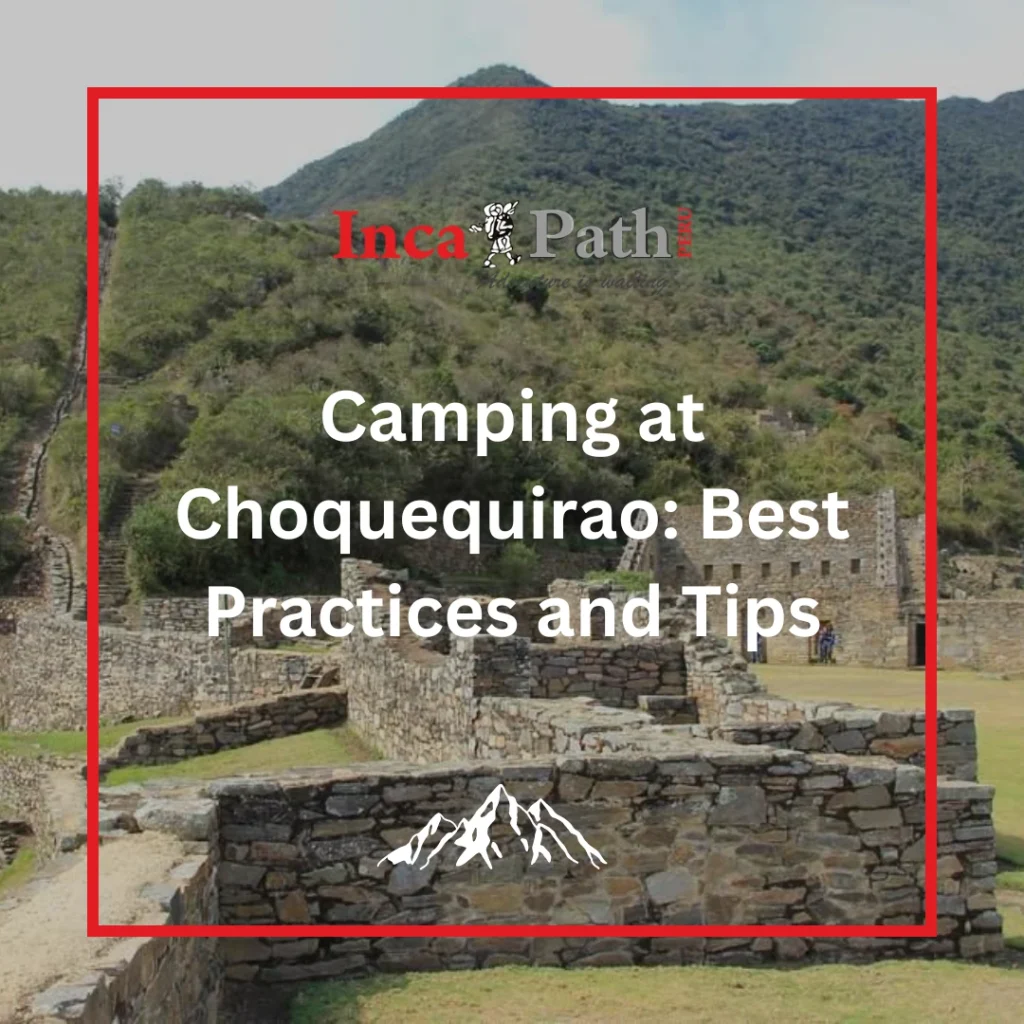
Camping at Choquequirao

Camping at Choquequirao: Best Practices and Tips

Camping at Choquequirao Trek is a thrilling adventure with no comparison. This lesser-known cousin of Machu Picchu offers breathtaking views and a challenging journey. If you’re planning to camp, preparation is key. Here, we share essential tips and best practices for camping along the Choquequirao Trek. From selecting gear to choosing campsites, we’ve got you covered. Consequently, ensure your experience is as memorable as the scenery. Packing light and right is crucial for this trek. Specifically, focus on multi-use items and lightweight equipment. Remember, every ounce counts when you’re climbing. Weather can be unpredictable in the Andes. Therefore, always prepare for sudden changes. Layering your clothing will help you adapt quickly. Lastly, respect the environment as you explore it. Stick to established trails and campgrounds. Additionally, leave no trace to preserve the beauty for future adventurers. Essential Gear Checklist for Choquequirao Camping Preparing for the Trek Camping at Choquequirao requires careful planning and the right equipment. Our Choquequirao Trek to Machu Picchu is a demanding high altitude hike. You’ll traverse diverse terrains on the Choquequirao Trail, making robust gear essential. Begin by selecting a durable backpack. It should handle all your essentials without weighing you down. Comfort and fit are paramount to avoid back strain. A high-quality sleeping bag is your next crucial item. Night temperatures can plummet, especially at high altitudes. Choose a sleeping bag rated for low temperatures to ensure warmth. Water and Nutrition Needs Hydration is key while trekking. Carry a reliable water filtration system. Streams along the trail provide water, but purifying it is a must. Plan your meals strategically before you begin. Buy food that is nutritious and easy to prepare. High-energy, lightweight options are best for the trail. Footwear and Clothing Essentials Invest in high-quality hiking boots. Your footwear should offer support and be well broken-in. Blisters can turn an adventurous trek into a painful ordeal. Pack moisture-wicking clothing and thermal layers. Layering allows you to adapt to changing weather conditions. Always include a waterproof jacket and pants. A good hat and UV-protection sunglasses are indispensable. They protect against the sun and reduce glare. At high altitudes, UV rays are particularly intense. Health and Safety Gear First aid kits are essential for any outdoor activity. Include items for blisters, cuts, and other minor injuries. Also, carry altitude sickness medication as a precaution. A headlamp or flashlight is necessary. The Choquequirao Trail can be treacherous in low light. Ensure your path is always well lit. Don’t forget sunscreen and lip balm with SPF. Sun protection is crucial to prevent burns. Reapply every two hours, or more often if sweating. Navigating the Route A reliable GPS or a detailed map of the Choquequirao Trail is crucial. Orientation can be challenging in remote areas. Always have a backup power source for electronic devices. However you can trust our guides in charge of your Choquequirao Trek. The experience will show you the safety and trust you need. Consider a walking stick or trekking poles. They provide stability and support on uneven terrain. Poles also reduce the impact on your knees during descents. Check the entrance fee and permit requirements in advance. All trekkers need to pay to access the Choquequirao campsite. Keep all necessary documents accessible. If you take the Choquequirao Trail with Inca Path, we will take care of all the logistics. The long days of trekking will require the most relaxation and enjoyable trip.  Sustainable Trekking Practices for Camping at Choquequirao Respect the natural environment of the Choquequirao Trekking route. Always follow the ‘leave no trace’ principles. Minimize your impact and carry out all trash. Use biodegradable soap and avoid polluting water sources. Personal hygiene is important, but it shouldn’t harm the environment. Plan accordingly to maintain cleanliness. Engage with local communities respectfully. Purchase supplies or services from them if possible. This supports the local economy and enriches your travel experience. Choosing the Right Gear Rental If you prefer not to buy, gear rental is a viable option. Many stores offer high-quality gear. Ensure it’s in good condition before setting out. Inca Path also offers some gear to rent. Test all rented gear before starting the trek. Familiarize yourself with its functionality. Adjust backpacks and sleeping bags to fit comfortably. Remember, renting can save money and reduce travel baggage. However, always check for reliability and reviews of rental services. This ensures a hassle-free camping experience during the camping at Choquequirao. Camping at Choquequirao is an unforgettable adventure that demands thorough preparation. The right gear enhances your experience and ensures safety. Follow this checklist to prepare adequately for the challenges of the Choquequirao Trek to Machu Picchu. Whether you buy or rent your gear, quality should never be compromised. Prepare for the trek with diligence and respect for nature. Your adventure to Choquequirao will be a remarkable journey through one of Peru’s hidden gems. Navigating Weather and Terrain: Tips for Safety and Comfort Camping at Choquequirao trek presents unique climate challenges. Understanding these conditions is crucial for any camper or hiker. Temperatures can vary dramatically, from warm days to freezing nights. Rain is common in the area, especially during the wet season. Waterproof gear is essential to stay dry and comfortable. Always pack a lightweight, durable raincoat. Prepare for intense sun exposure during the day. High altitude increases the risk of sunburn. Apply sunscreen regularly, and wear a hat and sunglasses. Choosing the Right Time to Visit Camping at Choquequirao is ideal in the dry season, from May to October. During this period, it offers clearer skies and safer hiking conditions. Consequently, trails are less slippery, and river crossings are safer. However, the dry season also brings colder nights. Therefore, pack thermal layers to combat the cold. Additionally, sleeping bags rated for low temperatures are highly recommended. Visiting during the shoulder months might offer solitude. Nonetheless, prepare for unpredictable weather. Thus, check forecasts frequently and plan accordingly. Adapting to the Terrain The terrain on the Choquequirao trek is rugged and varied, including steep inclines and declines. Consequently, proper hiking

Camping at Choquequirao: Best Practices and Tips Read More »

Is a Multi-Day Tour in Peru Worth the Investment?

Deciding on a travel plan can be daunting. Should you consider a Multi-Day Tour in Peru? These packages promise in-depth exploration and cultural immersion. But are they truly worth the investment? Peru offers a mosaic of stunning landscapes and ancient ruins. All of these in a vibrant culture. A longer tour allows travelers to deeply connect with the destination. This may transform a simple trip into a profound journey. Cost is often a major concern for many tourists. Multi-day tours typically include guides, accommodations, and transportation. Evaluating these factors against your budget can help you decide. Each choice in travel planning bears its significance. A well-chosen multi-day tour could make everything easy. Ultimately, the value depends on your personal travel goals and preferences. Who Should Consider a Multi-Day Tour in Peru? A Multi-Day Tour in Peru appeals to a diverse range of travelers. It’s ideal for those who want a deep dive into Peru’s culture. If you plan to explore Peru thoroughly, consider this option. The average vacation time for visitors is often limited. Many have only a week or two to spare. A multi-day tour efficiently covers various attractions. This setup ensures you experience the best of Peru within your time frame. Ideal Candidates for a Multi-Day Tour in Peru Travelers who desire to visit every major destination should opt for one of these. These tours streamline the travel process. They connect significant cultural sites and natural wonders efficiently. You won’t miss crucial experiences in the rush of shorter visits. Additionally, those who foresee only one visit to Peru in their lifetime. For those a multi-day tour may be perfect. This type of tour guarantees a comprehensive experience. It often becomes a once-in-a-lifetime experience. Every day of the tour is packed with activities, great food, and unique meeting points. A guided multi-day tour also offers benefits like logistical support. You’ll have most of your needs covered. Guides provide historical context and personal anecdotes. This enriches the travel experience significantly. Key Benefits of Choosing a Multi-Day Tour in Peru Opting for a multi-day tour means less stress about planning and transportation. The tour operators handle all arrangements. You enjoy seamless travel between destinations. This is crucial in a country with varied terrain like Peru. For those with limited time and scared of planning, you have alternatives. a Multi-Day Tour in Peru is the perfect choice to avoid pressure. It allows you to fully immerse in the culture. You’ll be able to soak the landscapes of Peru. Advantages of Investing in a Multi-Day Tour When planning a vacation, a Multi-Day Tour in Peru offers advantages. These tours provide a structured travel experience. They are ideal for those looking to maximize their time. Firstly, a multi-day tour simplifies travel logistics immensely. Instead of planning every detail, you enjoy a pre-arranged itinerary. Tour operators handle all transportation and accommodation. This makes traveling stress-free and more enjoyable. Moreover, these tours ensure you see the major highlights of a region. You won’t miss out on must-see attractions due to poor planning or oversight. Every significant site will be included. Comprehensive Exploration and Cultural Immersion A Multi-Day Tour in Peru often includes guided tours at each location. This means you gain historical and cultural context from expert guides. These professionals enhance your understanding of each site, making visits more meaningful. Additionally, these tours aim to cover diverse areas within a single trip. From ancient ruins to vibrant marketplaces, you experience a variety of settings. This broad exposure is difficult to achieve on your own. Connection and Convenience Another advantage of a Multi-Day Tour in Peru is the social aspect. You’ll travel with a group of like-minded individuals. This often leads to new friendships and exchanges. Meeting points throughout the tour foster a sense of community among participants. Furthermore, these tours often include meals, which means you’ll taste a wide variety of local cuisine. Great food becomes a part of your travel experience. You’ll get an introduction to the flavors of the region in a curated way. Potential Drawbacks of A Multi-Day Tour in Peru While a Multi-Day Tour in Peru offers benefits, consider potential drawbacks as well. These tours might not suit every type of traveler. Understanding these limitations can help you make a better-informed decision. One major drawback is the lack of flexibility. Multi-day tours often follow a strict schedule. This means little room for spontaneous activities or lingering at a site.  This can be a deal breaker for many. You must adhere to the planned itinerary. You will not be able to explore outside the regular routes. Additionally, these tours can feel rushed. Each day will be full of activities and travel to different sites. For some, this pace is overwhelming and detracts from the enjoyment of the trip. The Cost and Social Dynamics Another significant consideration is cost. Multi-Day Tours in Peru can be more expensive than independent travel. The price includes guides, transportation, and entry fees.  These charges add up quickly. For budget-conscious travelers, this may be a mix bag. Sometimes a multi-day tour in Peru will save you some money by offering a good deal. But this is unreliable, sadly. If you dont know all the details, you could be paying without knowing. Also, group dynamics play a crucial role in the enjoyment of multi-day tours in Peru. You spend several days with the same group. Depending on your personality, this can be challenging. Social discomfort can impact your overall experience. Guided tours also mean that your experiences are somewhat generic. Personalized elements that cater specifically to your interests are limited. This can lead to a less fulfilling experience. You have to be ready for adapt to the group. Weighing the Trade-Offs Despite the promise of a hassle-free and enriching journey. These tours might limit your exposure to local life. The structured nature of a guided tour can keep you within the ‘tourist bubble.’ This can be a little disappointing for those who like deep exploration. This makes it harder to experience

Is a Multi-Day Tour in Peru Worth the Investment? Read More »

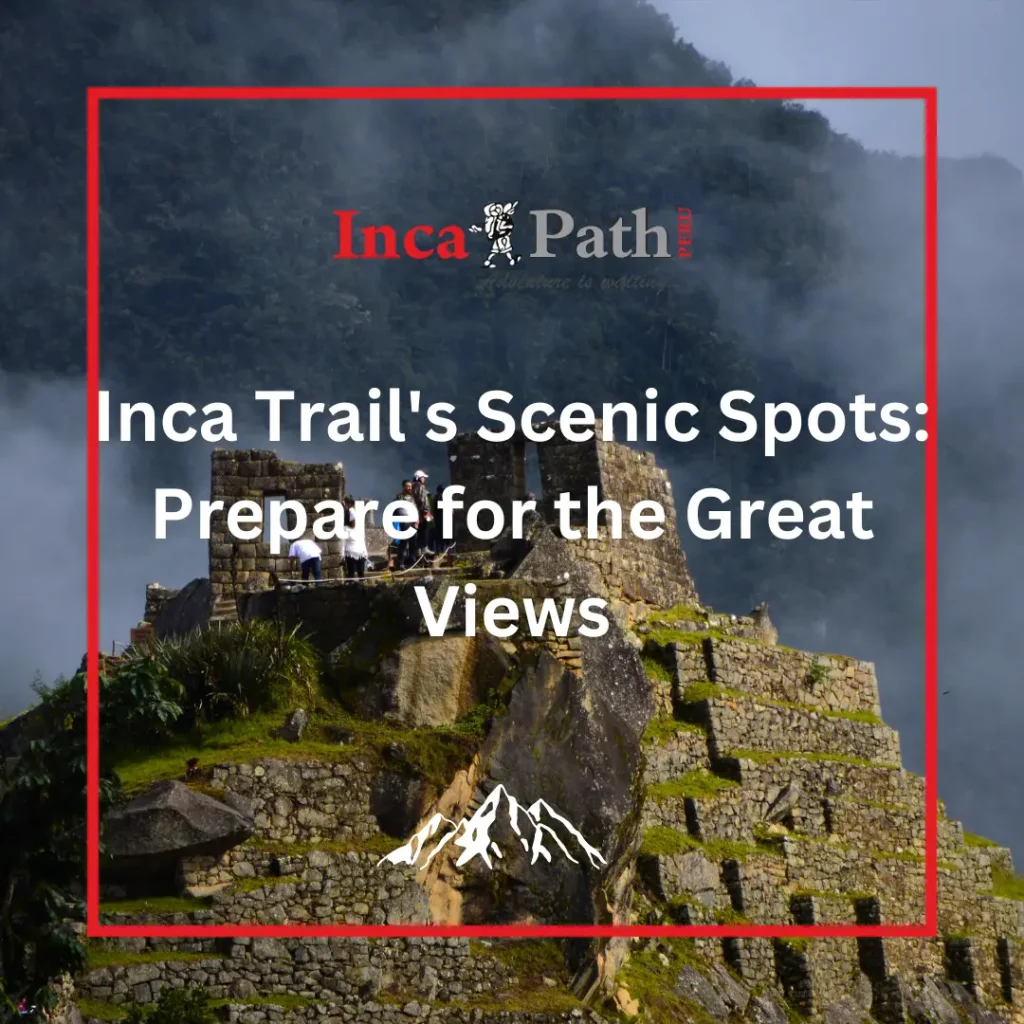
Inca Trail's Scenic Spots: Prepare for the Great Views

Inca Trail’s Scenic Spots: Prepare for the Great Views

Ready for some of the most breathtaking landscapes in the world? The Inca Trail’s scenic spots offer unparalleled views, ancient ruins and nature. Prepare for some exclusive views, just some adventures to get to experience. Remember that the Inca trail is a restricted path. Only so many entries are sold every year. This is a really important experience. And the Inca trail’s scenic spots are not avalible for many people. Pack the right gear. Cameras and binoculars should help in this scenic journey. You’ll want to capture the expansive views. And don’t everlook other aspects of your journey. Your adventure will take you through diverse terrains. The Trail to the Machu Picchu Ruins is challenging by itself. You’ll travel for 4 days by foot, that is an accomplishment. Let these natural wonders be the reward for all the effort. Majestic Machu Picchu: The Crown Jewel of the Inca Trail Machu Picchu stands as the reward for those hiking the Inca Trail. This ancient Inca site is an emblem of perseverance and discovery. Set high in the Andes, Machu Picchu culminates the Inca Trail’s scenic spots. Starting from the trailhead, you’ll arrive at Machu Picchu on the fourth day of the journey. The journey towards this archaeological wonder tests endurance. As the trail unfolds, hikers traverse diverse landscapes. Encounter from cloud forests to high mountain passes. Arrival at Inti Punku: The Sun Gate One of the icons of the Inca Trail hike is arriving at Inti Punku. Its name means Sun Gate. This point offers the first view of Machu Picchu. This first sighting of Machu Picchu from the Sun Gate is an unparalleled moment. Enjoy one of the most majestic Inca trail’s scenic spots. Machu Picchu itself sits at an altitude of about 2,430 m / 7,972 ft above sea level. This elevation makes it one of the most breathtaking Inca trail ruins. The site boasts Inca engineering and design. The citadel integrates with the mountainous landscape. The architecture of Machu Picchu respects its natural surroundings. It creates a harmonious balance between man-made and natural elements. The terraces, plazas, and temples offer a window into the Inca people’s ingenuity. Visitors can walk through the ruins and enjoy the scenery. From every of the Inca trail’s scenic spots, this is the most famous and remarkable. People from all corners of the world come to see Machu Picchu. Sometimes they travel to Peru only to witness the majesty of Machu Picchu. Dead Woman’s Pass: A High Altitude Adventure Dead Woman’s Pass, known as the highest point on the Inca Trail. For the sheer altitude this is one of the Inca trail’s scenic spots. The pass offers a rigorous but rewarding trekking experience.  Located roughly halfway through the traditional Inca Trail trek. It is a crucial part of the journey to Machu Picchu. Hikers typically encounter this challenge on the second day of their adventure. The Ascent to Dead Woman’s Pass The trek to Dead Woman’s Pass involves a steep ascent. This is a hard ascend. Even seasoned hikers will sweat. Each step upward brings hikers closer to the sky, with increasing altitude and decreasing oxygen levels. At 4,215 m / 13,829 ft above sea level, Dead Woman’s Pass is not just another site. In the Inca Trail hike, it is an achievement in itself. The altitude makes it both a physical and mental challenge. The air thins, the path steepens, and the surroundings grow more remote as one ascends. Views from the Top: A Reward Worth the Climb The view from Dead Woman’s Pass is nothing short of spectacular. This is for a reason part of the Inca trail’s scenic spots. From the top, hikers obtain panoramic views of the cloud forest below and mountain above.  The sight of undulating hills and valleys, draped in a quilt of lush greenery and mist, is a memorable reward for the arduous climb. This spot offers more than just a view; it provides a profound sense of accomplishment. Hikers stand at the highest point of their Inca Trail trek, looking out over the paths they’ve conquered and the journey ahead. It’s a moment of reflection, surrounded by the breathtaking beauty of the Andes. Dead Woman’s Pass is a testament to the challenges and rewards of hiking the Inca Trail. It embodies the spirit of adventure that draws thousands to this ancient path every year. As one of the Inca Trail’s scenic spots, it offers a unique blend of natural beauty and personal triumph. Phuyupatamarca: The City Above the Clouds Phuyupatamarca, one of the Inca Trail’s scenic spots, stands as a remarkable structure. Located deep within the trek, You’ll reach this archaeological site on the third day of the classic Inca Trail hike. Journey Through the Clouds The trek to Phuyupatamarca  takes you in the steep hillside that leads to the city. It is approximately 30 kilometers (18.6 miles) from the start. As hikers ascend, the cloud forest envelops the path, adding a mystical feel to the journey. Sitting at an altitude of about 3,650 m / 11,675 ft, Phuyupatamarca is the ‘City Above the Clouds’. The elevation provides a breathtaking vantage point over the surrounding cloud-covered mountains. Here, the air is crisp, and the panoramic views are among the most stunning along the Inca Trail. A Glimpse into Ancient Inca Life The site itself offers a remarkable glimpse into the life of the ancient Inca. The well-preserved ruins include multiple terraces, ritual baths. The structures highlight the advanced engineering of the Inca civilization. The terraces across the steep landscape blend perfectly. Phuyupatamarca’s strategic location also served as a significant point on the Inca Trail. The site provided a rest spot for travelers and messengers between Cusco and Machu Picchu. These resting places were called Tambos. The views from these spots makes it part of the Inca trail’s scenic spots. But the site was an important part of an ancient empire. This significance should not be overshadowed or downplayed. Wiñay Wayna: Stepping Stones to History Wiñay Wayna is

Inca Trail’s Scenic Spots: Prepare for the Great Views Read More »

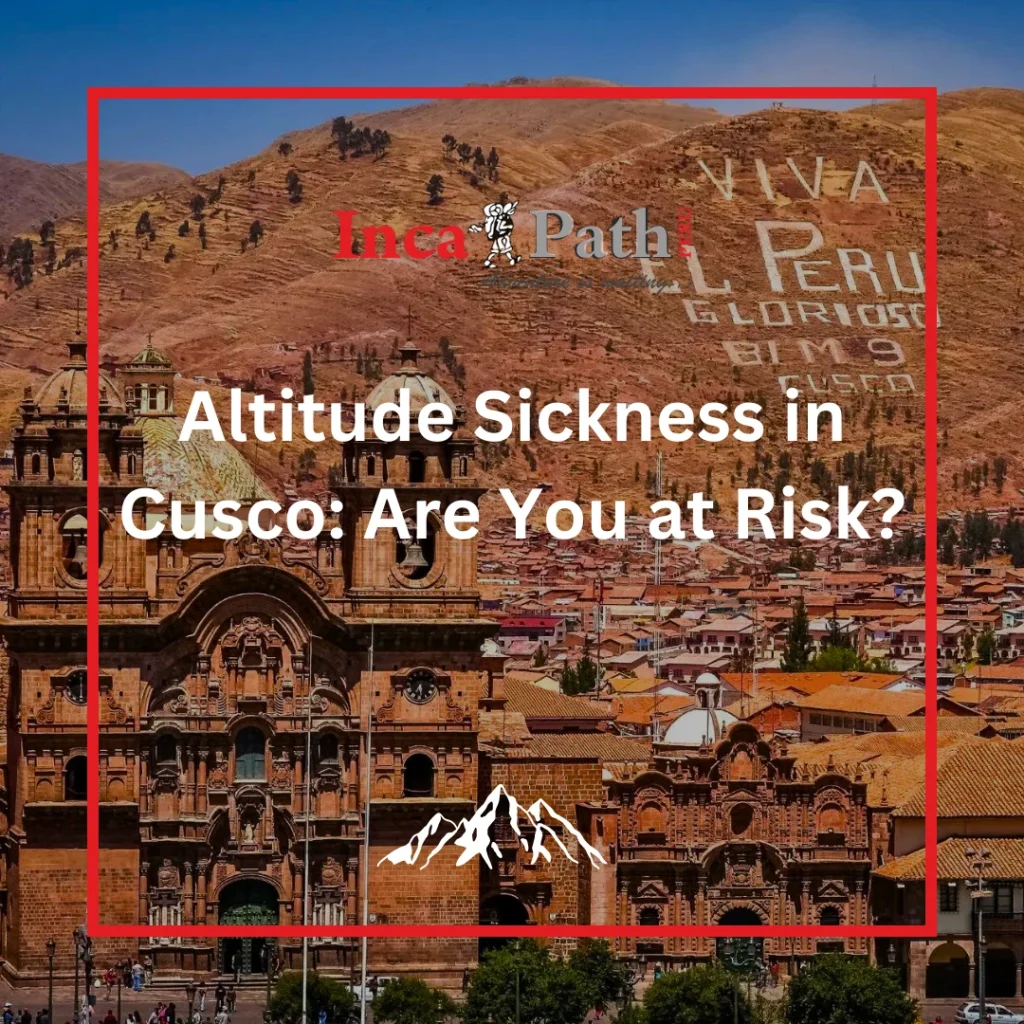
Altitude Sickness in Cusco: Are You at Risk?

Altitude Sickness in Cusco: Are You at Risk?

Traveling to high altitudes like Cusco poses a risk of altitude sickness. The altitude sickness in Cusco condition affects many visitors each year. Understanding your risk is crucial for a safe trip. Symptoms of altitude sickness can vary widely. They include headaches, nausea, and dizziness. Recognizing these early signs is key to managing the condition. Prevention strategies are simple yet effective. Stay hydrated and avoid overexertion upon arrival. Gradually acclimatize to increase your comfort and safety. This guide will help you assess your risk. It provides essential tips to prevent and manage altitude sickness. Ensure your Cusco adventure is memorable for the right reasons. Recognizing the Symptoms of Altitude Sickness in Cusco When you arrive in Cusco, the breathtaking scenery is not the only thing that can leave you breathless. At over 3,400 meters (11,152 feet above sea level), Cusco’s high elevation often triggers altitude sickness. This condition also known as mountain sickness is often a discomfort. You need some planning to explore this historic city or venture out to Machu Picchu. Understanding and recognizing the early symptoms of altitude sickness is essential for a safe and enjoyable trip. Early Signs: When to Be Concerned Altitude sickness in Cusco can manifest within a few hours of elevation gain. The first signs are often subtle, beginning with a headache. You might also experience dizziness and fatigue as your body adjusts to the thinner air. These symptoms can seem mild at first but paying attention to them is crucial for managing your health at higher altitudes. Nausea is another common early symptom, sometimes accompanied by loss of appetite. It’s important to monitor how you feel, especially during the first couple of days after you arrive in Cusco. Ignoring these initial symptoms can lead to more severe health issues as your body continues to face oxygen scarcity. Sleep disturbances are also frequent among visitors. You may find it hard to sleep through the night, which can exacerbate other symptoms due to lack of rest. Taking it easy during your first days can help mitigate these effects. More Serious Symptoms: Knowing When to Seek Help As altitude sickness progresses, symptoms can become more severe. Shortness of breath is a key indicator that your body is struggling with the altitude. This can occur not only during physical exertion but also while you are at rest. If you notice this symptom, it is important to decrease your activity level and consider seeking medical advice. Altitude sickness can escalate to high-altitude pulmonary edema (HAPE) or high-altitude cerebral edema (HACE). HAPE involves fluid build-up in the lungs. You can identify it by extreme fatigue, persistent coughing, and difficulty breathing even when resting. HACE is marked by confusion, inability to walk straight, and behavioral changes. This signalates a serious threat that requires immediate medical intervention. Prevention: Reducing Your Risk Preventing altitude sickness begins with a proper acclimatization schedule. Spend a couple of days in Cusco before ascending to higher altitudes like the ones in the Salkantay Trek. This gradual approach allows your body to adapt to the altitude changes more effectively. Stay hydrated and avoid alcohol or substances that can dehydrate your body or exacerbate symptoms. Also, eating light meals rich in carbohydrates can provide energy without overtaxing your digestive system. Remember, the key to enjoying your visit to Cusco and Machu Picchu lies in taking proactive steps to prevent altitude sickness. Managing Symptoms: What You Can Do If you start to feel the effects of altitude sickness, it’s important to act quickly. Resting is crucial—don’t push yourself to continue activities if you’re feeling unwell. Over-the-counter medications like ibuprofen can help alleviate mild symptoms like headaches and nausea. Using supplemental oxygen can also provide relief, especially if symptoms are related to oxygen deprivation. Many hotels in Cusco offer oxygen service for guests experiencing severe symptoms. Listening to your body and responding appropriately can make all the difference in your recovery. Enjoying Cusco Safely Visiting Cusco is an unforgettable experience, rich with cultural history and stunning landscapes. By recognizing the signs of altitude sickness and taking steps to prevent and manage it, you ensure that your memories of Cusco and Machu Picchu are as vibrant as the destinations themselves. Remember, altitude sickness is manageable, and with the right precautions, you can fully enjoy the beauty and mystique of these ancient high-altitude treasures. Effective Prevention and Treatment Strategies for High Altitude Visitors When you arrive in Cusco, the gateway to the Jungle Inca Trail and Sacred Valley, the elevation change is immediate and impactful. The city sits at an altitude that can significantly affect unacclimatized travelers. Understanding how to recognize and manage the symptoms of altitude sickness in Cusco is crucial for all visitors. Initial Symptoms: What to Watch For Initially, the first indicators of altitude sickness in Cusco often appear subtly. Consequently, visitors may experience persistent headaches that are not typical for them. Moreover, these headaches often worsen at night or during the early morning. Similarly, fatigue is another common symptom, regardless of the level of physical activity. For instance, you might feel unusually tired after a simple walk. Consequently, this fatigue can make touring the city’s historic sites more challenging. Additionally, digestive disturbances such as nausea or general stomach discomfort are also common. As a result, these symptoms can decrease your appetite, affecting your energy levels. Therefore, it’s essential to monitor how you feel continually. Acute Symptoms: Signs of Increased Severity As altitude sickness progresses, the symptoms can become more acute and harder to ignore. For example, one might experience dizziness or light-headedness even when sitting down. These signs indicate that the body is struggling to adapt to the high altitude. Furthermore, an increased heart rate is another critical symptom to watch for. If your pulse is fast even at rest, it’s a clear sign of altitude stress. This can occur without any physical exertion. In severe cases, you may experience shortness of breath while resting. If breathing becomes difficult, it’s vital to seek medical attention immediately. This is a sign that the body is not receiving

Altitude Sickness in Cusco: Are You at Risk? Read More »

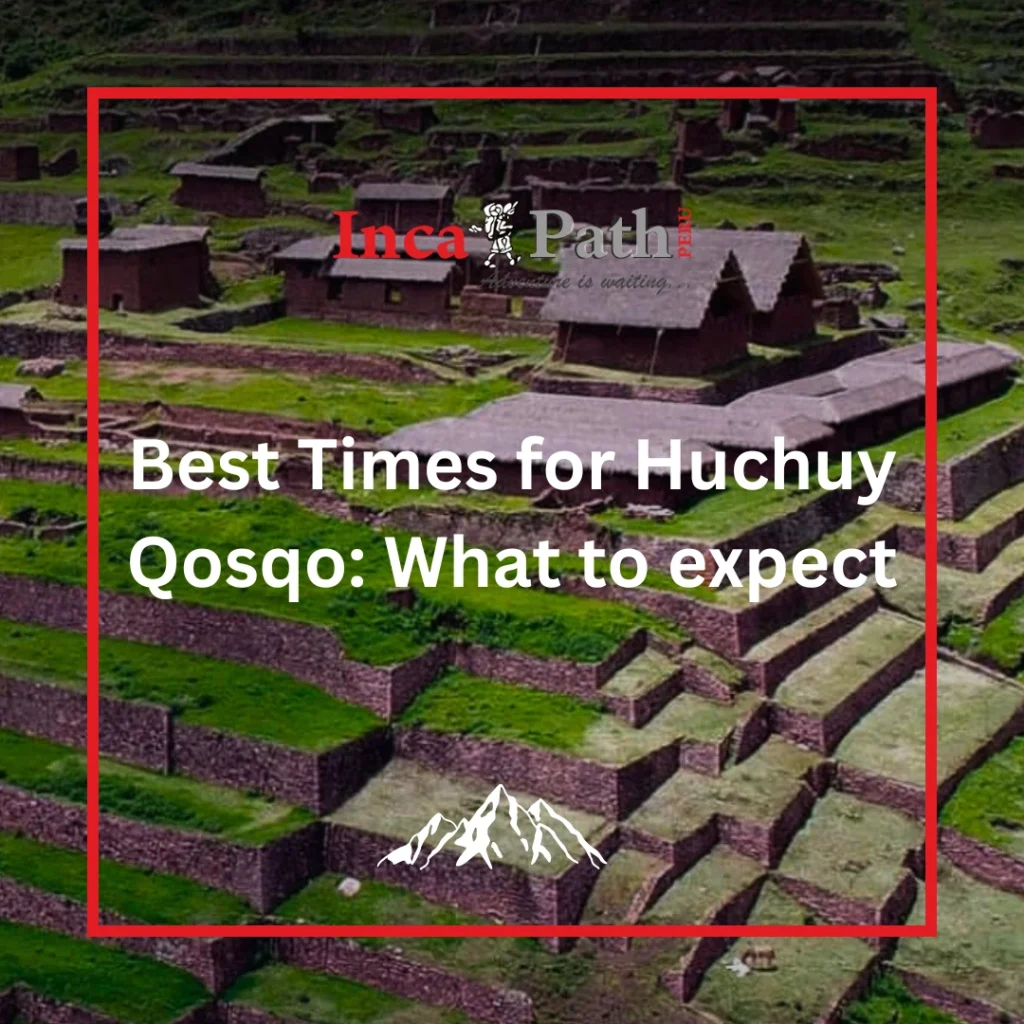
Best Times for Huchuy Qosqo: What to expect

Best Times for Huchuy Qosqo: What to expect

Taking the path of Huchuy Qosqo is a real adventure. This lesser-known Inca site offers stunning vistas. The best times for Huchuy Qosqo can greatly enhance your experience. Understanding the best times to visit it is crucial. The dry season, from May to September, is perfect. You’ll enjoy clear skies and mild temperatures. However, each season brings its own charm. The rainy season, from October to April, transforms the landscape. Lush greenery and fewer crowds await the adventurous. Plan your trip with these insights. Our Huchuy Qosqo Trek is more than just a destination. It’s an experience waiting to be discovered. Weather Patterns at Huchuy Qosqo: Planning Around the Seasons Huchuy Qosqo, an ancient Inca ruin, beckons adventurers from around the world. Nestled high in the Peruvian Andes, this site offers breathtaking views. Knowing the best times for Huchuy Qosqo is essential for a rewarding visit. The site’s unique location affects its weather significantly. Set above the Sacred Valley, it experiences distinct seasonal changes. These changes influence both accessibility and your overall hiking experience. Most visitors prefer the dry season, from May to September, for their trek to Huchuy Qosqo. Skies during these months are clear, and the paths are mostly dry. This makes hiking less challenging and more enjoyable. Navigating the Dry Season: Optimal Conditions for Exploration During the dry season, the landscape of Huchuy Qosqo is particularly inviting. The sun casts sharp shadows across the terraced slopes. These conditions provide ideal light for photographers and sightseers alike. Hikers can enjoy extended daylight hours, making it possible to explore more thoroughly. Start your journey early to maximize your time at the site. Remember, the entrance fee is necessary, and starting early helps beat the crowds. Despite cooler nights, the daytime temperatures are comfortable for hiking. Pack layers to accommodate the fluctuating temperatures. A good pair of hiking boots is crucial, as trails can still be rough. Facing the Rainy Season: A Lush yet Challenging Experience The rainy season transforms Huchuy Qosqo from November to April. The area around the Incan ruins becomes lush and green. However, the trek can be tougher on the knees due to slippery paths. Rain can arrive suddenly, often heavy and short-lived. Always carry waterproof gear to stay dry and warm. The views of the Sacred Valley may be shrouded in mist, creating a mystical atmosphere. Fewer tourists choose to visit during these months. This means you can enjoy a more solitary experience. Just be prepared for mud and the possibility of altitude sickness. Planning Your Hike: Essential Tips for a Successful Journey Starting your hike from the town of Lamay adds an authentic cultural dimension. The town is a 30-minute drive from Cusco and serves as the starting point. From here, the Huchuy Qosqo hike spans several hours of scenic trails. Ensure you are acclimatized to the high altitude before beginning your hike. Cusco is a great place to adjust. Spend a few days exploring local Incan trails before your main trek. Each step towards Huchuy Qosqo reveals more of the region’s stunning natural beauty. From verdant valleys to rugged mountain peaks, the scenery is unparalleled. Make stops to rest and hydrate, especially if hiking during warmer months. What to Bring: Preparing for Your Adventure Packing appropriately can make or break your hiking experience to Huchuy Qosqo. Essential items include water, snacks, and a first-aid kit. Also, carry local currency for any incidental expenses along the way. Huchuy Qosqo, the path to Machu Picchu, means “little Cusco in quechua”. This does not imply that the alternative Inca trails are less than the Classic Inca Trails. All are different experiences. A map or a guide can enhance your understanding of the ruins and surrounding areas. Many opt for a guided tour to gain deeper insights into the Inca history. Guides can explain the significance of Huchuy Qosqo including its strategic and agricultural roles. Finally, do not forget your camera or smartphone. The landscapes you’ll encounter are truly once in a lifetime. Capture memories of the trek and the panoramic vistas that await at the summit. When to Visit Huchuy Qosqo Choosing the best times for Huchuy Qosqo depends on what you seek from your journey. Whether you prefer the lush, vivid colors of the rainy season or the clear, expansive views of the dry season, planning is key. Each season offers a unique perspective of this historic site, enriching your travel experience with every visit. By understanding the seasonal weather patterns and preparing accordingly, your visit to Huchuy Qosqo can be nothing short of spectacular. So lace up your boots, check the forecast, and set off on an unforgettable adventure in the heart of the Inca empire. Crowds and Solitude: Best Times for Huchuy Qosqo  Choosing when to visit Huchuy Qosqo can shape your entire experience. The best times for Huchuy Qosqo hinge on what you seek. Whether it’s solitude or a vibrant crowd, timing is everything. Visiting during peak season means embracing the crowd. From June to August, the trails buzz with energy. Here, you encounter fellow hikers who share your enthusiasm. Yet, if peace is what you seek, aim for the shoulder months. May or September can offer that perfect balance. The weather remains pleasant, and the tourist numbers dwindle. The Early Bird Experience Starting your hike early can also affect crowd levels. A pre-dawn start might see you ascending in solitude. This means reaching Huchuy Qosqo just as the sun illuminates the ruins. The first light at the ruins is both peaceful and enchanting. It’s also a perfect time for photography. Fewer people equals fewer interruptions. Choosing Weekdays Over Weekends Weekdays naturally see fewer visitors compared to weekends. If you can, plan your visit from Monday to Thursday. This strategy reduces encounters with large groups. Most tour operators, including Inca Path, manage medium size groups. Alternative routes to Machu Picchu are great for an intimate experience. School holidays and public holidays also see a spike in visitors. Avoid these times if possible. Check the local

Best Times for Huchuy Qosqo: What to expect Read More »

southern valley cusco

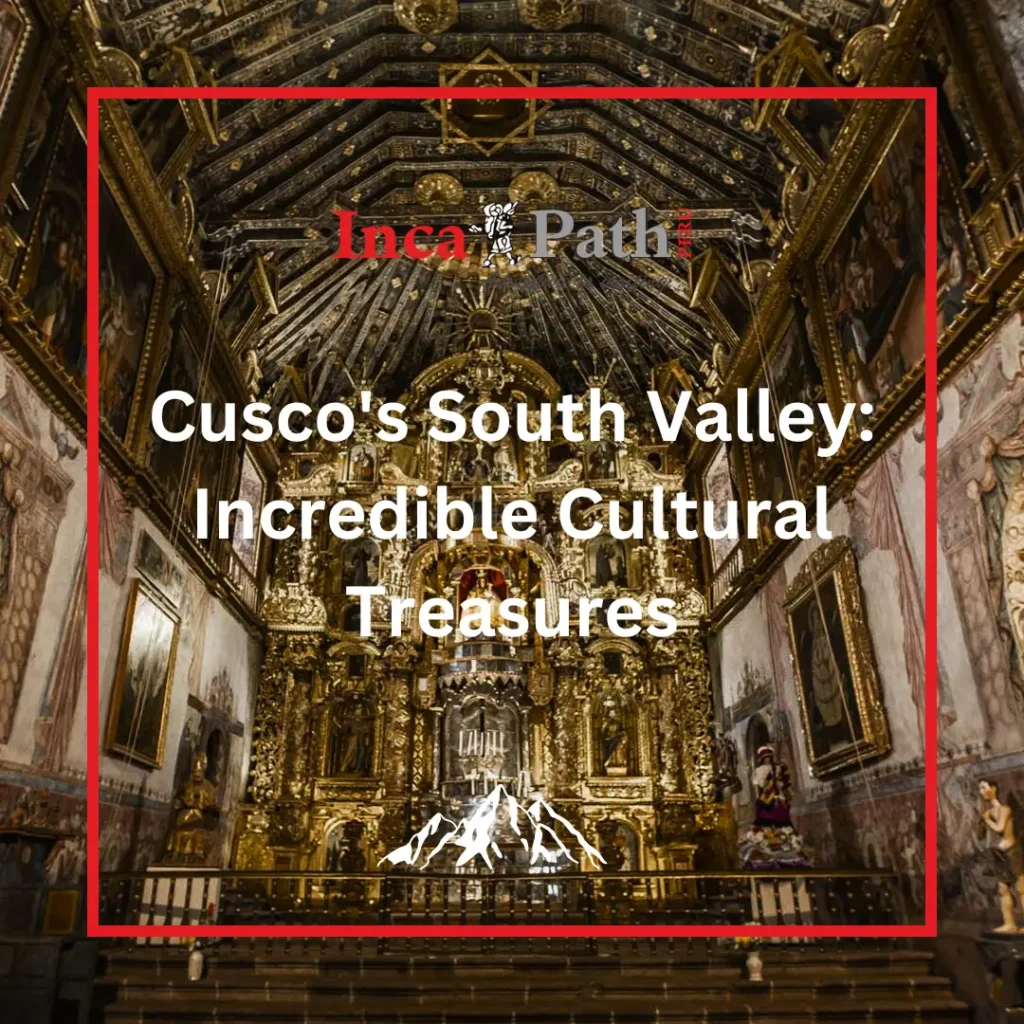
Cusco’s South Valley: Incredible Cultural Treasures

Welcome to the amazing Cusco’s South Valley. Here, ancient history and living traditions are present. Discover the valley’s cultural treasures as you explore. This region will surprise you with scenic landscapes. Every corner is a chance to explore and find culture or history. It’s a day journey like no other. Join us as we uncover the art, architecture, and historic areas. From colonial churches to Inca ruins, there’s much to admire. Let the South Valley be your next destination. Tipón: Engineering Marvel of the Inca Tipón is an inca city complex within Cusco’s South Valley. This archaeological site showcases advanced Inca hydraulic engineering. Elaborate terraces and crafted stone channels dominate the landscape. Water still flows through the site’s aqueducts. A simple system still pumps water over the complex. The terraces ensured efficient agriculture at high altitudes. Overall you can get the idea that this was an agricultural place. However Tipón was likely a royal estate. Altogether the site boasts an important presence. Exploring the Terraces of Tipón The terraces at Tipón provide a stunning view of the valley in Cusco. Each level is a step back in time. To illustrate the Inca’s mastery over their environment. This site is not just an ancient farm but a symbol of harmony with nature. Visitors to Cusco’s South Valley often include Tipón in their itineraries. It’s a perfect day trip for those fascinated by ancient cultures. The site offers a peaceful escape from the bustling city of Cusco. A Must-See on Your Trip to the South Valley Exploring Tipón allows you to appreciate the strategic importance of water in Inca society. The site is less crowded than Machu Picchu, offering a more intimate experience. It is an essential stop for anyone visiting the archaeological sites of Cusco’s South Valley. Tipón remains a vibrant part of Cusco’s South Valley’s heritage. Its well-preserved state invites exploration and admiration. A visit here connects you deeply with the past achievements of the Inca. Pikillacta: Glimpse into the Ancient Wari Civilization Pikillacta stands as a remarkable pre-Inca city in Cusco’s South Valley. This extensive archaeological site has its origins in the Wari culture. Its well-planned design highlights the sophistication of its creators. The site features towering walls and expansive plazas. Hundreds of buildings and rooms outline its once bustling activity. Pikillacta offers a unique insight into a civilization that thrived before the Incas. Understanding the Wari Legacy The ruins of Pikillacta depict the Wari’s architectural skills. Each structure at the site is in place with meticulous precision. In fact, advanced knowledge in South America existed before the Incas. By the time the Inca empire started its ruling, Waris were a civilization. This led to conflict and there was a war between the Inca empire and the Wari. Wari culture led to a cultural legacy that was part of Inca history. A Day Trip Back in Time Exploring Pikillacta is visiting an ancient era. Visitors can wander through the remnants. The site is where you can start understanding the past. Pikillacta is a part of Cusco’s South Valley’s heritage. Its preservation allows us to discover more of Peru’s historical landscape. For those interested in the roots of Andean civilizations. Thus you should visit. Andahuaylillas: The Sistine Chapel of the Americas Andahuaylillas Church is a masterpiece in Cusco’s South Valley. Due to the great artwork, it is dubbed Sistine Chapel of the Americas. The church’s in an art show in the middle of the valley. Inside, the vibrant murals cover nearly every inch of the ceiling and walls. They depict religious scenes with rich symbolism and artistic mastery. This small village church rivals many European counterparts in its artistic wealth. Art and Devotion in a High Altitude Gem The church is not just an art collection. It’s an active church. And so you should respect the site. Nearby you’ll find other sites. Of course the zone is full of living culture. Visitors often feel a sense of peace here. A day trip to this location is a journey through art and history. It’s an essential experience for visitors. The church’s architecture and art offer insights into colonial religious life. Explore the Iconic Church of San Pedro Apóstol The Church of San Pedro Apóstol in Andahuaylillas is part of the Cusco tourist ticket. Therefore it is accessible to everyone. Each visit supports the preservation of this historical site. After all, visitors have a great appreciation for the site. Andahuaylillas is an important destination in Cusco’s South Valley. This site proves that significant art can thrive everywhere. Among the Cusco’s South Valley you’ll find a lot of surprises.  Raqchi: The Majestic Temple of Wiracocha Raqchi remains a symbol in Cusco’s South Valley. It is one of the most impressive Inca ruins. In auditions, the construction is remarkably different. This site showcases the brilliance of the Inca. The temple once stood with towering walls and a vast roof. There were numerous columns to sustain everything. Today, the remains still impress with their grandeur and scale. Most importantly, the site is there for you to visit. Unveiling History in the Sacred South Valley The site also includes residential areas, storehouses, and a ceremonial center. The site is perfect to illustrate Inca planning. Visitors can explore these remnants. Nonetheless the views are also impressive. Raqchi is more than a day trip destination from Cusco. The temple served as a place for adoration to Wiracocha, creator of all. Since a certain period, Inca adored Wiracocha as their main deity. A Center of Worship Situated at a high altitude, Raqchi offers panoramic views of the surrounding Sacred Valley. The strategic location underscores its historical importance. This archaeological site continues to be a focal point for cultural studies. Raqchi’s significance in Cusco’s South Valley is fact. It remains a key destination on the Cusco tourist ticket. Every visit reveals more about the Inca beliefs. Raqchi stands as a testament to their enduring legacy.

Cusco’s South Valley: Incredible Cultural Treasures Read More »

Facts About the Salkantay Trek that will Blow Your Mind!

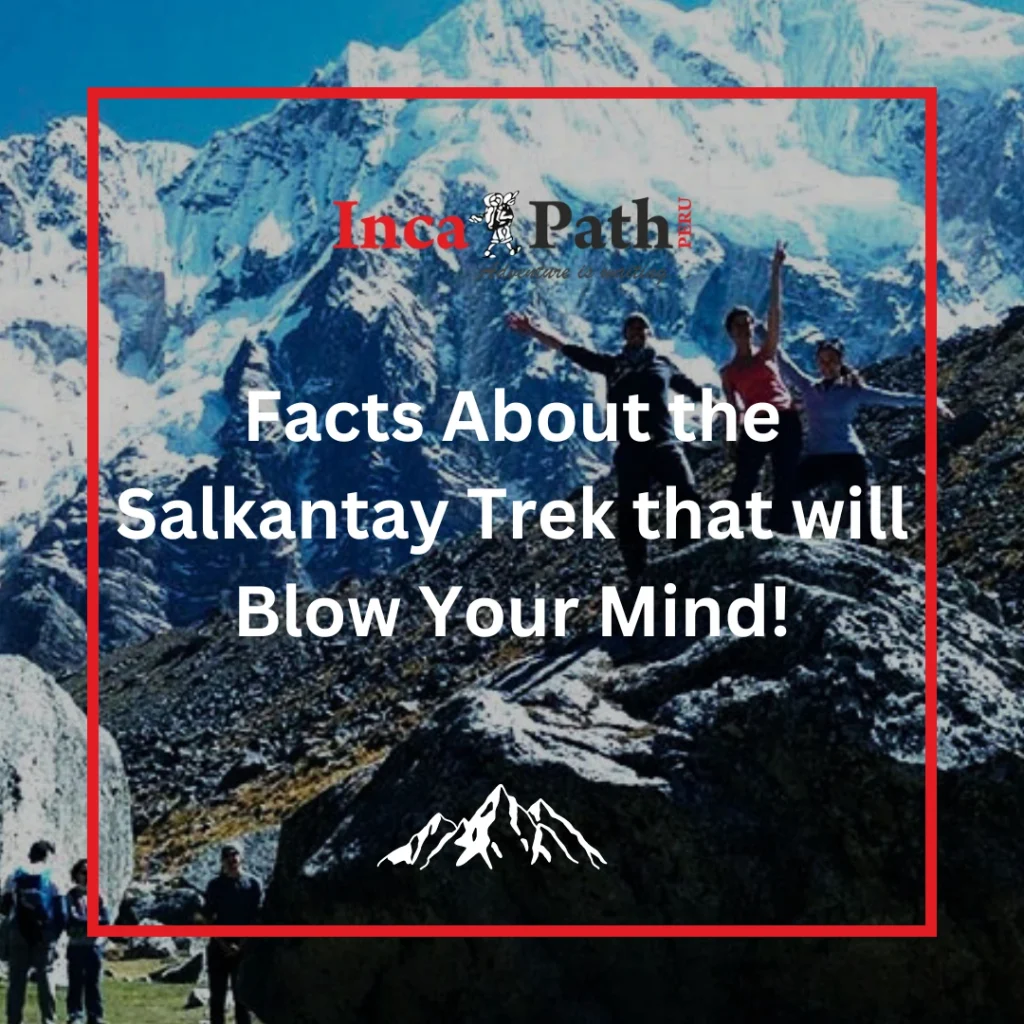
Facts About Salkantay Trek that will Blow Your Mind!

The Salkantay Trek is not just an alternative path to Machu Picchu. It is a different experience beyond the common ones. Knowing the facts about Salkantay Trek is essential before you take it. This trek takes you through the diverse landscapes of the Andes. Each step reveals breathtaking vistas and ecological wonders. Named after the majestic Mt. Salkantay, the trek offers more than scenic views. It’s a path steeped in history and culture. Adventure seekers and nature lovers, take note. This trek is the top alternative to the Inca Trail. It challenges trekkers with its rugged terrain and altitude. Yet, the beauty you encounter is unparalleled. Get ready to discover facts about Salkantay Trek that will astonish you. From hidden ruins to unique wildlife, every day surprises. Your adventure of a lifetime awaits. Facts About Salkantay Trek Discovering the Mysteries: Historical and Cultural Significance of the Salkantay Trek The Salkantay Trek stands out as an emblematic journey. Moreover, it offers more than just an alternative route to Machu Picchu. This trek immerses you in the profound depths of Andean culture. Trekkers that choose the Salkantay Trek to Machu Picchu confront the raw beauty of the Andes mountain range. Additionally, the path traverses environments that have shaped local cultures for millennia. Consequently, each step on this route offers a story waiting to be told. One of the most iconic landmarks along this trek is the Salkantay Pass. Standing over 4,600 meters above sea level, it challenges even seasoned hikers. Importantly, this high pass not only tests your physical limits but also rewards you with awe-inspiring vistas. Nature’s Bounty and Challenges The Salkantay Trek to Machu Picchu also showcases the Andes’ ecological diversity. Starting from the snow-capped peaks, the trail descends into the mystical cloud forest. This dramatic change in altitude brings varied climates and ecosystems. Adventurers face the challenge of altitude sickness, a common issue on such high-elevation hikes. Preparing for this is crucial, as it ensures enjoyment and safety throughout the journey. The trail’s natural obstacles highlight the resilience required to traverse it. As you descend towards Santa Teresa, the climate warms, offering a soothing respite at the Cocalmayo Hot Springs. These thermal waters provide a perfect setting to rejuvenate. Additionally, here, hot showers under the stars make for a memorable end to strenuous days. Moreover, the Salkantay Trek to Machu Picchu is more than an alternative route; it’s a transformative expedition. Importantly, it connects trekkers not only to a destination but to a legacy. Consequently, the trail leads to one of the world’s wonders, visiting Machu Picchu. Furthermore, this five-day trek culminates in the awe-inspiring sight of Machu Picchu. Specifically, the approach from Salkantay offers a unique perspective of the Inca citadel. Thus, it allows for a deeper appreciation of its architectural and spiritual significance. Additionally, in completing the Salkantay Trek, one does not simply visit Machu Picchu; they experience it. Indeed, the journey through the Andes prepares the spirit to connect with this ancient site. Therefore, each step builds anticipation, making the final arrival truly spectacular. Ecosystems Unexplored: Discover the Rich Biodiversity Along the Trail The lower reaches of the trail are adorned with orchids and ferns. Hummingbirds and Andean foxes are common sights, animating the verdant underbrush. The harmony in this ecosystem provides a vibrant start to the trek. Ascending further, the environment transitions into a more barren, yet equally fascinating, alpine tundra. Rare medicinal plants dot the landscape, used by local communities for centuries. The stark beauty of this area contrasts sharply with the lushness below. This zone is critical for the conservation of high-altitude wildlife, such as the elusive Andean condor. These majestic birds soar above, symbolizing freedom and the wild spirit of the Andes. Their presence highlights the ecological importance of the Salkantay Trail. Climate’s Influence on Biodiversity Temperature and moisture vary greatly along the Salkantay Trek. These factors directly influence the types of ecosystems encountered. From moist cloud forests to dry highland scrub, the diversity is staggering. Each ecological zone challenges trekkers with its unique climate and terrain. The adaptability of local wildlife to these conditions is remarkable. Observing these adaptations provides insight into the resilience of nature. Rainfall patterns along the trail also dictate the lushness of the vegetation. Heavier rains in the lower regions support thick forests, while the sparse ones up high sustains only the toughest plants. This gradient creates a tapestry of life, woven tightly with the threads of climate. These facts about Salkantay Trek are essential for you and your planning. Keep in mind all these in a way to prevent any circumtance. Flora and Fauna: A Closer Look The cloud forests teem with life, hosting an array of bird species. Colorful parrots and the rare spectacled bear call this area home. Their survival depends on the continuous canopy that the forest provides. Higher up, the flora consists mainly of grasses and shrubs, with the occasional flowers adding a splash of color. These plants have adapted to conserve water and withstand freezing temperatures. Their resilience is a testament to the harsh conditions of the Andes. Among these high-altitude survivors is the Puya raimondii, a giant bromeliad. It blooms once in its lifetime, a sight few are privileged to see. This plant symbolizes the mystery and allure of the Salkantay Trek’s untouched landscapes. Conservation and Challenges The Salkantay Trail is not only a path to Machu Picchu but also a corridor for wildlife. It connects various habitats, allowing species to migrate and intermingle. This ecological connection is vital for maintaining genetic diversity. However, the trail faces threats from climate change and human activity. These challenges could disrupt the delicate balance of these ecosystems. Conservation efforts are crucial to preserve the trail’s biological wealth. Promoting sustainable trekking practices is part of the solution. Trekkers can contribute by minimizing their environmental impact. Respecting wildlife and adhering to designated paths protect these fragile habitats. A Trekker’s Paradise The facts about Salkantay Trek extend beyond its physical demands. Additionally, they encompass the rich tapestry of life along the trail.

Facts About Salkantay Trek that will Blow Your Mind! Read More »

rainbow mountain crowds

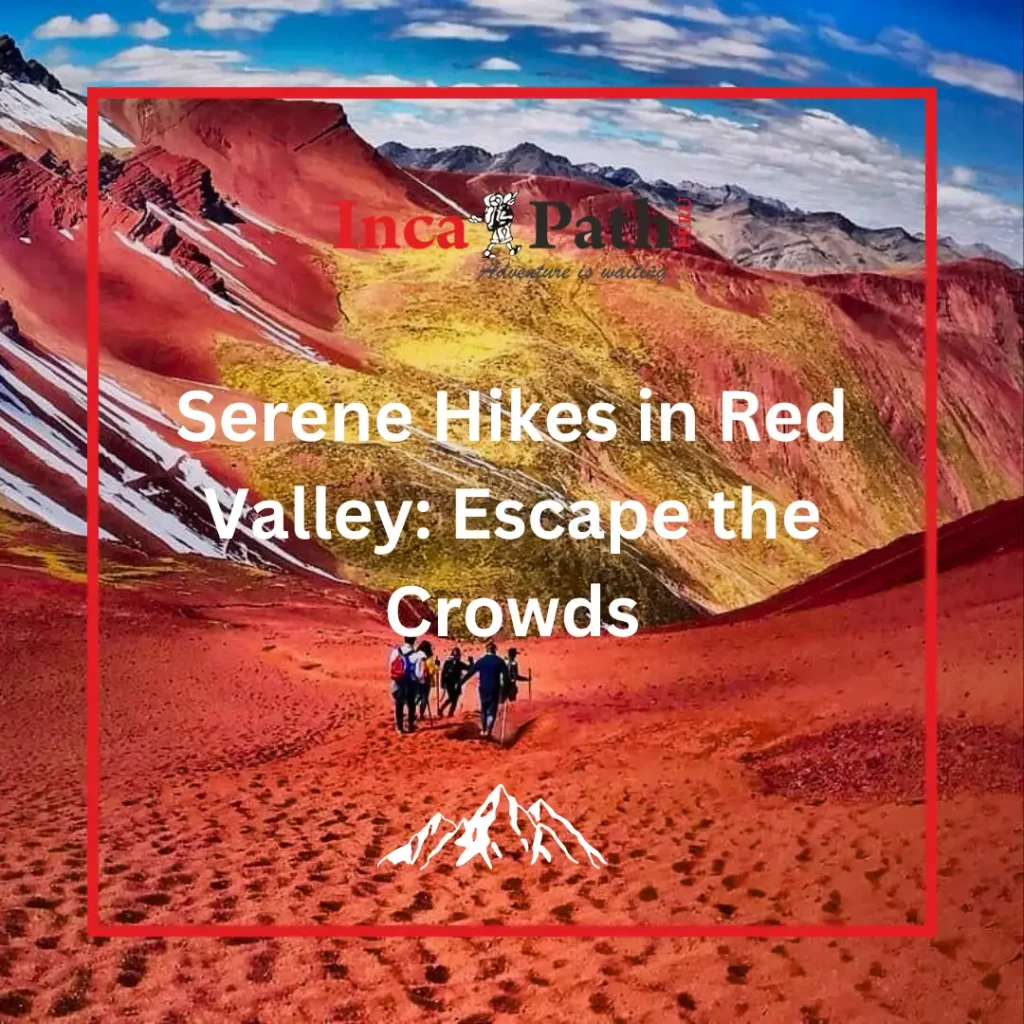
Serene Hikes in Red Valley: Escape the Crowds

In the Cusco region in addition to the usual trail, there are other destinations. Hikes in Red Valley may be perfect for you. The trails there are tranquil. You’ll enjoy amazing landscapes. For those seeking solitude this may be the place.  Enjoy the natural beauty of this place. Here, the hikes in Red Valley are serene. Moreover you’ll find some peace in colorful nature.  The Red Valley’s trails weave through red hills and greenery. You will get a picturesque view for photos. Hence is ideal for photographers and nature lovers alike. It’s a quiet haven. Plan your visit early in the morning. The late afternoon is also an option. These times offer softer light and cooler temperatures. This time is ideal for your hike. For now the Red Valley is a peaceful escapade.  Discovering Red Valley: A Hidden Jewel Near Cusco Red Valley remains a little unknown. May is one of Cusco‘s best-kept secrets. There are few tour operators that offer this route alongside Rainbow Mountain. The valley hike is usually 30 minutes. Only a short journey away from the tourist paths. This spot lies 20 minutes from Rainbow Mountain, Vinicunca. Its proximity makes it an ideal escape. Once in the valley the crowds wont be a problem. The landscape of Red Valley is usually ignored. However it is dramatic and unique. It contrasts with other areas around Cusco. Here, the earth appears in shades of red. Everything is the result of natural forces.  The area’s unique rock formations add to the appeal. But the main eyecandy is the colors. The panorama captivates all who visit. Hikes in Red Valley can be quite impressive. Exploring the Trails: Ideal Hikes in Red Valley Embarking on hikes in Red Valley can be the best experience. Hiking these trails can be quite relaxing. Most of the paths are accessible for all skill levels. Adventurers and serene walkers alike will enjoy it. For that reason it is highly recommended. At least in its current state. Hikes in Red Valley are not that popular for now. But with time and demand this may change. Furthermore, the location near Rainbow mountain could make it more popular. This may disrupt the peace in the valley. But in the meantime, you’ll get a quiet experience. Elevation here reaches impressive heights. Of course it is not as high as Rainbow Mountain. Hikes in Red Valley are more relaxing. However, the rock formation may offer a chance for rock climbing. This would make the hikes in Red Valley more thrilling. The valley’s altitude, with its diverse ecosystem, creates a hiking experience unlike any other. Even among the other trails in the region, this valley is unique. Nature won’t disappoint either. You’ll find the local flora and fauna intriguing. Secluded Splendor: The Unique Ecosystem of Red Valley Red Valley is not only a place of visual wonder. This site is also an ecological treasure. Located strategically, it supports a distinct type of ecosystem. All of them thrive at high altitudes. This area’s flora and fauna have adapted. The environmental conditions can be harsh on life. You’ll also encounter small native communities. The hiking trail passes through nearby villages and farms. So it has a cultural side to it. Rainbow Mountain’s Rise: Navigating the Tourist Tide Rainbow Mountain has quickly become a popular destination. Many visitors in Cusco look for this experience. Many only travel to be able to hike it.  The mountain is famous for its colorful, striped hills. Its popularity, however, brings significant crowds. Especially during peak tourist seasons. Every year, thousands flock to witness it. The trail to Rainbow Mountain is as challenging as it is beautiful. Positioned at high altitude, the hike demands good physical condition. Therefore you’ll also need proper acclimatization. Visitors will traverse rocky paths. The trail is steep and there are loose rocks. Although the path is short. This effort is worthy of the panoramic views and unique scenario. Managing the Crowds: Tips for a Better Experience To handle the influx, it’s advisable to start the hike early in the morning. This strategy helps avoid the largest groups that arrive later in the day. The early hours offer a quieter trail and softer light for photography. Navigating through the crowds requires patience and planning. Using Google Maps can help identify less crowded times and alternative routes. Always wear sturdy hiking boots for the uneven terrain. The entrance fee helps maintain the trail and manage the area’s ecosystem. Despite the crowds, the experience of hiking Rainbow Mountain remains unforgettable. The landscape offers a spectacle of color and natural wonder that attracts adventurers from all over the world. It’s a highlight for many travelers in the region. Trailblazing in Red Valley: What Hikers Need to Know Embarking on hikes in Red Valley offers a breathtaking experience just a stone’s throw from Cusco. This area is easily accessible, with the trailhead only 20 minutes away from the more crowded Rainbow Mountain. Here, hikers can immerse themselves in a landscape filled with stunning red hues and serene trails. The Red Valley trail is renowned for its unique terrain. The hiking path is well-marked and manageable for various skill levels. It’s essential to wear sturdy hiking boots to navigate the rocky and sometimes uneven ground. Along the way, panoramic views and vibrant rock formations provide endless photographic opportunities. Getting There and Enjoying the Trail Reaching Red Valley is straightforward. Travelers can use Google Maps to find the quickest route to the valley trailhead. Public transportation options are available, but a private vehicle is highly recommended for flexibility. An entrance fee is typically required, contributing to the conservation of this pristine area. Once on the trail, hikers can expect an unforgettable journey through one of Cusco’s hidden gems. The path meanders through the valley, offering up-close encounters with the area’s distinct flora and fauna. The serene atmosphere is perfect for those looking to escape the usual tourist paths. Secret Paths: How Red Valley Offers a Quieter Alternative For those seeking something secluded, hikes

Serene Hikes in Red Valley: Escape the Crowds Read More »