Inca Jungle Trek – Inca Trail Machupicchu Tours and treks

Blogs

Make the Most Out of Your Short Inca Trail Experience

Make the Most Out of Your Short Inca Trail Experience

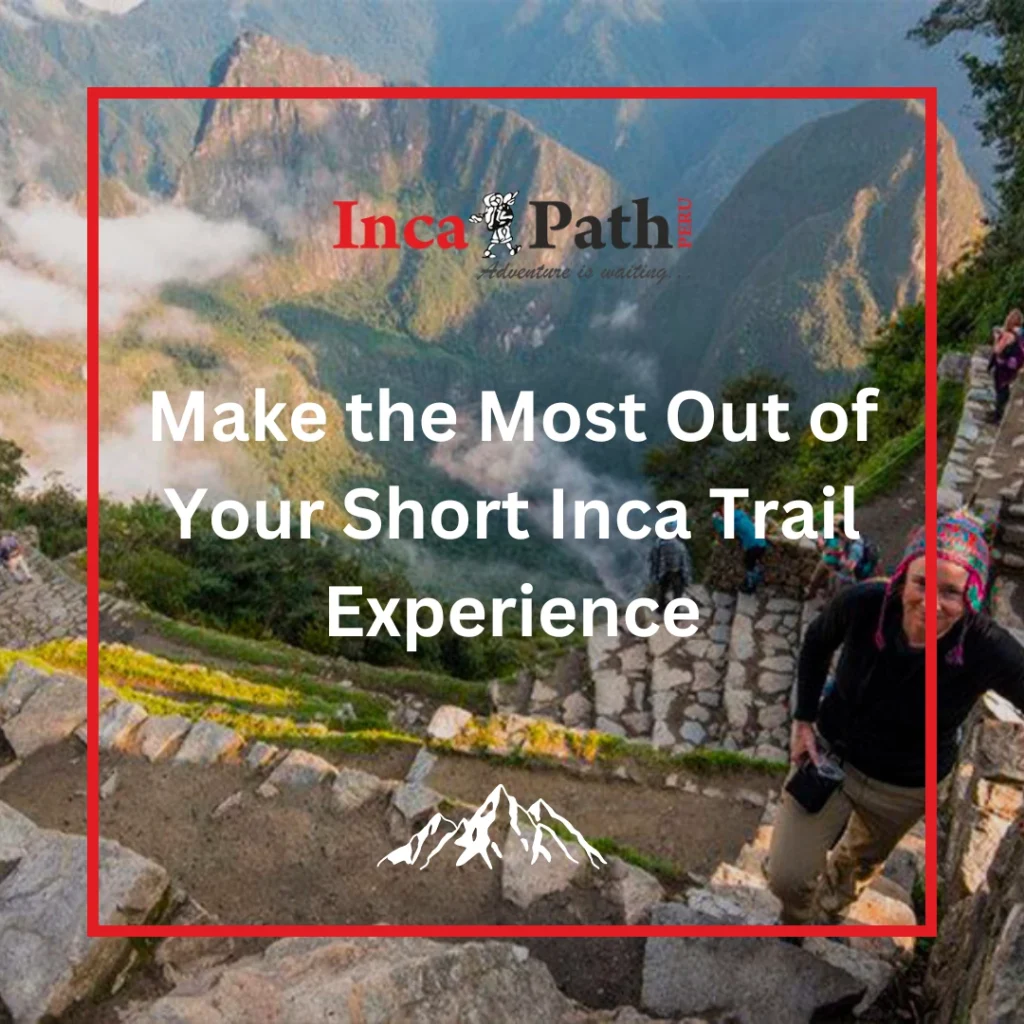
The Short Inca Trail experience offers an unforgettable journey through ancient history and stunning landscapes. This two-day trek is perfect for those without much time. Here’s how to maximize your adventure. Proper planning is crucial to enjoy the Short Inca Trail fully. Ensure you have the right gear and fitness level. Also, booking with a reputable guide service is essential. This guide provides tips to enhance your trekking experience. From the best times to go to what to expect on the trail. Follow these suggestions to make your trip memorable. Essential Preparation Tips for the Short Inca Trail Choosing the Short Inca Trail is an exciting way to explore the ancient paths leading to Machu Picchu. This shortened version of the trail offers a vibrant mix of natural beauty and historic sites. It’s essential to come ready to make the most of your experience. Getting Started: Securing Permits and Planning The journey begins long before you hit the trail. You must secure an Inca Trail permit early, as they quickly sell out. Planning months in advance is often necessary to secure a spot. Work with a reputable tour company to handle the logistics, like Inca Path, to enjoy the whole journey. Choosing the right season for your hike to Machu Picchu affects your experience. The dry season, from May to October, offers safer and more comfortable hiking conditions. Avoid the rainy season to ensure clearer paths and better views. Understanding the starting point of your trek is crucial. Most guided tours begin at Km 104, where hikers catch a glimpse of the Urubamba River. From there, the trail ascends steeply into the Andean wilderness. Health and Fitness: Preparing Physically Physical preparation cannot be underestimated. The trail involves steep climbs and descents. Start a regular hiking or cardio regimen weeks before your trip. Altitude sickness is a real concern due to the high elevations along some parts of the trail. Spend a few days in Cusco or a region with similar altitude to acclimatize. Stay hydrated and monitor your health closely. Pack wisely, focusing on essentials like water, snacks, and layered clothing. A comfortable backpack, sturdy hiking boots, and trekking poles will enhance your hiking experience. Remember, every item adds weight. Essential Gear and Accommodation Packing the right gear enhances comfort and safety. Invest in a good quality, lightweight rain jacket and thermal layers. Nights and early mornings can be chilly, so warm clothing is crucial. Consider your accommodation options carefully. Most tours include an overnight stay in a hotel in Aguas Calientes. Verify the details with us to ensure comfort and important info after your trek. Always have a basic first aid kit and personal medications readily available. Also, a multitask tool will be a great help specially during the trail to Machu Picchu. Navigating the Trail: What to Expect The hike itself is breathtaking but challenging. You’ll encounter Inca ruins like the  Wiñay Wayna, an archaeological site and a preview of the marvels to come. Take time to absorb the history and significance of these sites. Stay with your guide and group to ensure you don’t miss out on vital information and safety instructions. Guides also offer insights into the flora, fauna, and history of the trail that enrich the journey. As you approach the Sun Gate, the anticipation builds. The first view of Machu Picchu from Inti Punku is unforgettable. It’s the perfect climax to a rigorous but rewarding hike. Preserving the Trail and Ethical Travel Respect for the environment is essential during your Short Inca Trail experience. Stick to marked paths and carry out all trash. These practices help preserve the trail and surrounding ecosystems, like the cloud forest. Consider the cultural impact of your visit. Engage with local communities respectfully and support local businesses when possible. Sustainable travel ensures that future generations can also enjoy this incredible experience. Remember, your journey along the Inca Trail to Machu Picchu is not just a personal achievement but a privilege. Treat the trail and its history with the reverence it deserves. After the Trail: Reflecting and Returning After completing your hike, take time to explore Aguas Calientes and relax. Visiting the hot springs or local markets can be a perfect way to unwind. Reflect on the journey and the incredible sights and experiences you’ve encountered. The next day we will return to Machu Picchu for a more leisurely exploration. With the physical challenge behind you, you can appreciate the site with fresh eyes and a deeper understanding. Sharing your story can inspire others and provide useful tips for those planning their journey. Consider documenting your journey through blogs or social media, focusing on the highs and the lessons learned. This adventure, from the start to the descent from Machu Picchu, proves your personal endurance. Your Short Inca Trail experience will be a unique memory. It  has natural beauty and historical awe, truly a highlight of any visit to Peru. What to Expect During Your Short Inca Trail Experience The Short Inca Trail experience is a captivating adventure that combines natural beauty with historical richness. This condensed version of the Classic Inca Trail condenses the excitement into just two days. Whether you’re a seasoned trekker or a first-time hiker, knowing what to expect can greatly enhance your journey. Initial Stages: From Cusco to the Trailhead Your adventure begins with a scenic drive from Cusco to the Ollantaytambo train station. This route passes through the lush, winding valleys of the Sacred Valley, offering stunning vistas that set the stage for what’s ahead. The journey from Ollantaytambo to the trailhead is itself a glimpse into the rich cultural tapestry of the Andes. Upon arrival at the trailhead, your guide will provide a brief orientation. They’ll cover safety, trail etiquette, and the itinerary for the 2-day Inca Trail. It’s crucial to listen carefully, as understanding these details will ensure a smoother trek. The initial trekking phase is exhilarating as you start to encounter the ancient paths carved by the Incas. Your path has flora and archaeological sites, smaller yet

Make the Most Out of Your Short Inca Trail Experience Read More »
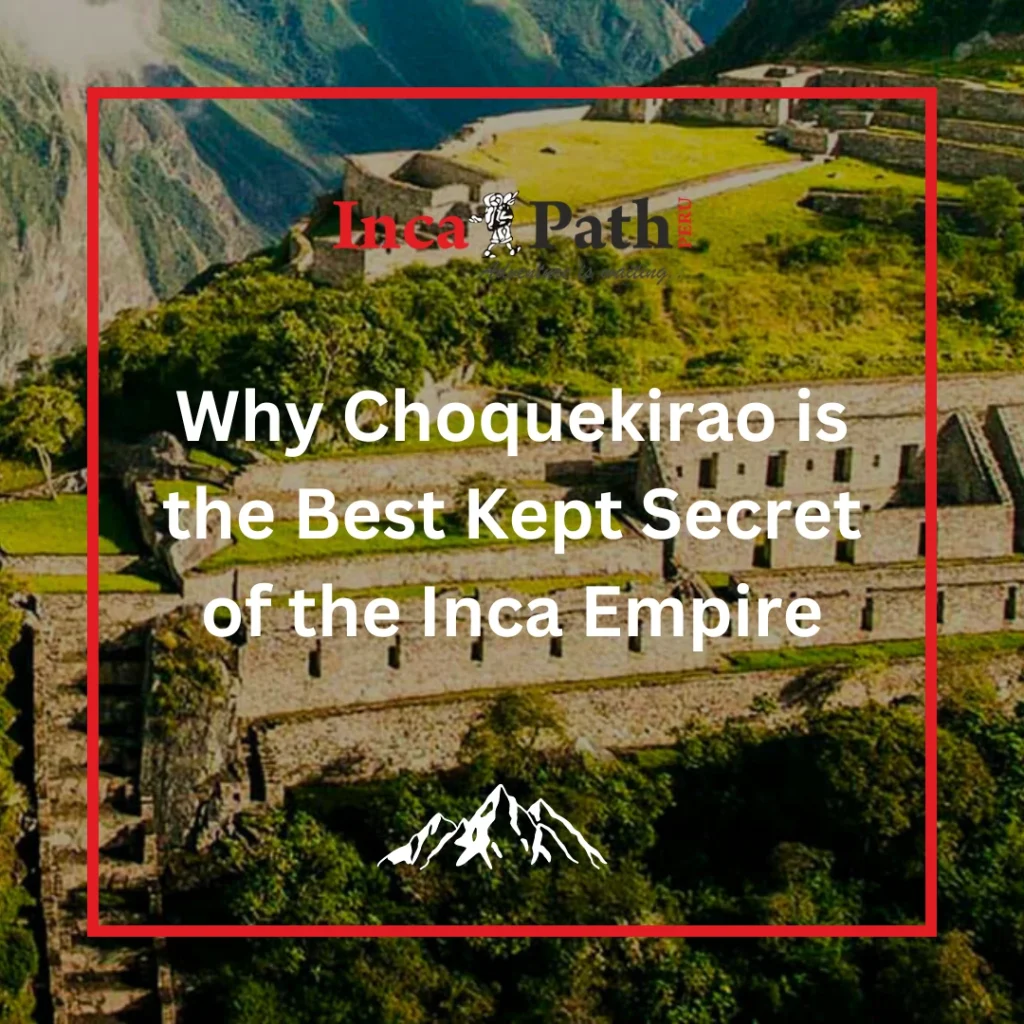
Why Choquekirao is the Best Kept Secret of the Inca Empire

Why Choquekirao is the Best Kept Secret of the Inca Empire

Hidden high in the Andes, Choquekirao remains one of the least explored Inca sites. This ancient city offers stunning views and rich history. Many consider it a hidden gem of the Inca Empire. Unlike Machu Picchu, Choquekirao sees few visitors, preserving its mystery. Its remote location ensures a peaceful exploration experience. Here, you can truly connect with Inca heritage. The journey to Choquequirao with Inca Path is challenging but rewarding. Hikers pass through diverse landscapes, including lush forests and rugged mountains. The trail provides an authentic adventure, away from crowded tourist spots. Exciting Trekking Experience to Choquekirao Within the Peruvian Andes, the Choquekirao trek offers an amazing adventure. This less-traveled path provides an immersive experience in Inca history. Many visitors overlook Choquekirao, making it a true hidden gem. Choquekirao, often called the “cradle of gold,” remains one of the Inca Empire’s best-kept secrets. This archaeological site rivals Machu Picchu in grandeur and mystery. Its remote location ensures fewer tourists and more solitude. The trek to Choquekirao starts from the village of Cachora in Cusco, Peru. From there, you descend into the deep Apurimac Canyon. The journey offers stunning views of the Apurimac River and surrounding mountains. Journey Through Diverse Landscapes Trekking to Choquekirao takes you through varied landscapes. You will encounter lush forests, rugged mountains, and expansive valleys. The trail presents a mix of challenges and breathtaking scenery. The trek typically spans four days, providing a full immersion in nature. Each day brings new sights and experiences. You will cross the Apurimac River on a suspension bridge, adding to the adventure. High altitudes on the trail require proper acclimatization. The trek reaches elevations of up to 3,050 meters (10,007 feet). It’s essential to prepare for these altitudes to ensure a safe and enjoyable experience. Planning for the Trek Choosing the right season is crucial for a successful Choquekirao trek. The dry season, from May to October, offers the best conditions. During this time, the weather is more predictable and the trails are less muddy. In contrast, the rainy season, from November to April, presents more challenges. Heavy rains can make the trail slippery and more difficult to navigate. However, the scenery during this season is lush and green. Packing the right gear is essential for the trek. Bring sturdy hiking boots, a good quality backpack, and reliable sleeping bags. Also, pack clothing for both warm days and cold nights. Immersive Historical Experience Choquekirao holds immense historical significance. It is believed to have been a major city during the Inca Empire. The site served as a refuge for Manco Inca, who fought against Spanish conquerors. The archaeological site spans over 1,800 hectares. Only about 30% of Choquekirao has been excavated, leaving much to discover. Visitors can explore terraces, plazas, and intricate stone structures. Its Inca terraces are particularly impressive. They showcase advanced agricultural techniques used by the Incas. The terraces also offer stunning views of the surrounding landscape. Reaching Choquekirao The final ascent to Choquekirao is challenging but rewarding. As you approach the site, the sense of arrival grows. Upon arrival, you’ll see the breathtaking beauty of the ruins. Choquekirao offers a unique and less crowded experience compared to other Inca sites. The tranquility of the site allows for a deeper connection with history. You can take your time exploring and appreciating the intricate architecture. Guided tours provide valuable insights into Choquekirao’s history and significance. Many travel agencies in Cusco, Peru, offer organized treks to the site. A knowledgeable guide enhances the experience, offering context and stories. Highlights of the Choquekirao Trek Preparing for the Trek Physical fitness is essential for the Choquekirao trek. The trail involves steep ascents and descents, requiring stamina and strength. Regular training and conditioning will help you prepare. Acclimatization is also crucial due to the high altitudes. Spend a few days in Cusco, Peru, to adjust to the elevation. This helps prevent altitude sickness and ensures a more enjoyable trek. Bringing enough supplies is important for the trek. Pack sufficient food, water, and first-aid supplies. Planning and preparation make the journey smoother and more enjoyable. The Choquekirao trek offers a unique blend of adventure and history. The challenging trail and remote location make it a special experience. Unlike more popular sites, Choquekirao remains a serene and untouched gem. Traveling with a group or tour company can enhance the experience. They provide logistical support, guides, and companionship. Many trekkers find the connection of group travel adds to the adventure. Exploring Beyond Choquekirao For those with extra time, combining Choquekirao with other treks is possible. The route can connect with the famous Salkantay trek, adding to the adventure. This extended trek offers even more diverse landscapes and experiences. Many trekkers also visit other Inca sites in the region. Cusco, Peru, serves as a hub for exploring the rich history of the Inca Empire. Sites like Ollantaytambo and Pisac offer further insights into Inca culture. Choosing a Travel Agency Selecting a reputable travel agency is crucial for the Choquekirao trek. Look for agencies with experienced guides and good reviews. They provide support, safety, and valuable knowledge about the trek. Reputable agencies, like Inca Path, ensure that all permits and logistics are under control. This allows trekkers to focus on enjoying the journey. A good guide can transform the trek into an amazing adventure. The Choquekirao trek stands out as an exceptional adventure in South America. Its combination of natural beauty and historical significance makes it unique. Whether you are a history enthusiast or an adventure seeker, Choquekirao has something to offer. Key Points to Remember The Choquekirao trek is not just a hike; it’s a journey through history and nature. The allure of the “cradle of gold” awaits those who dare to take the path less traveled. Discovering the Hidden Inca Wonders of Choquekirao and History The Choquekirao trek offers an extraordinary glimpse into the hidden wonders of the Inca Empire. This remote archaeological site, therefore, provides a unique opportunity to explore Inca history away from the crowds. Indeed, the Choquekirao trek reveals a wealth of

Why Choquekirao is the Best Kept Secret of the Inca Empire Read More »

The Ultimate Guide to Hiking the Short Inca Path

The Ultimate Guide to Hiking the Short Inca Path

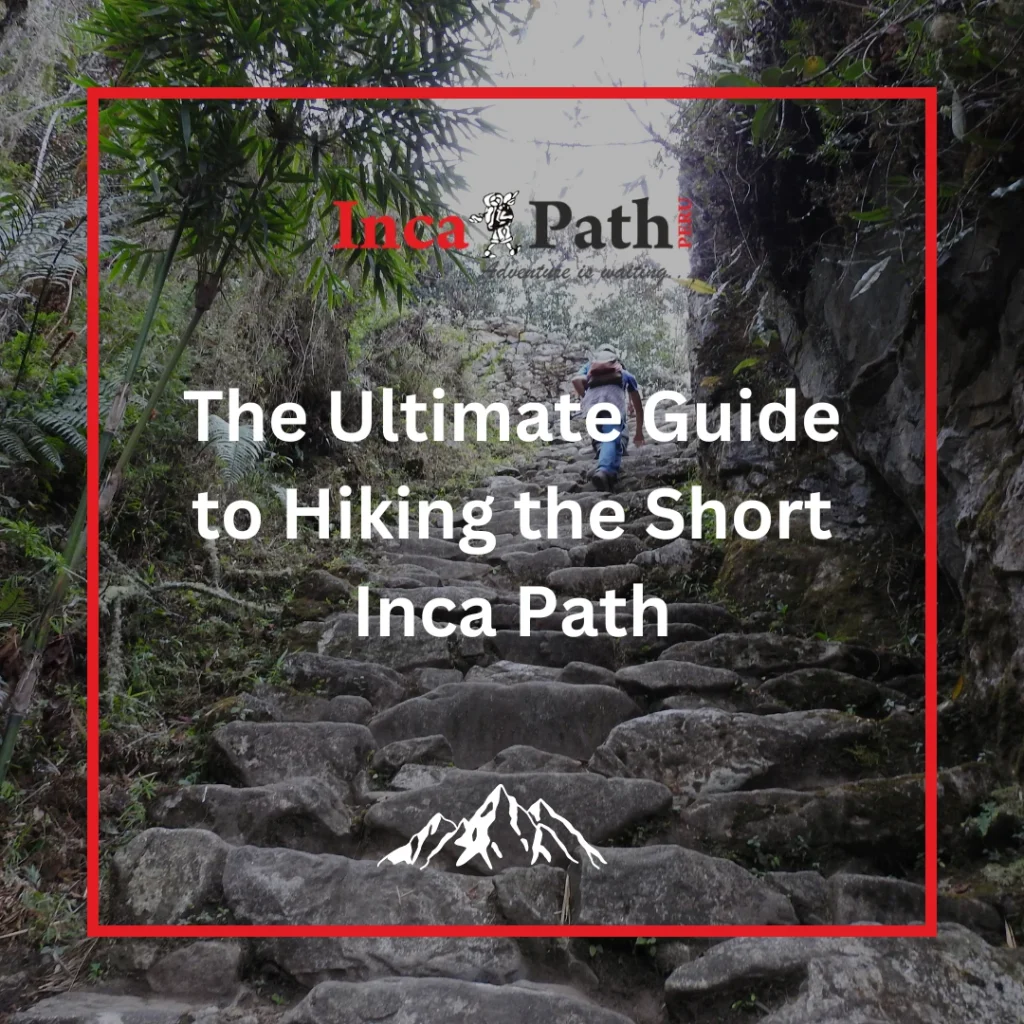
The Short Inca Path offers a breathtaking trek to Machu Picchu. This route provides an unforgettable adventure without the lengthy journey of the classic Inca Trail. Prepare to be amazed by stunning views and rich cultural experiences. Hiking the Short Inca Path delivers an exhilarating experience for outdoor enthusiasts. With fewer crowds and a quicker trek, it’s ideal for those short on time. This guide will help you navigate every step of the way. Discover essential tips and insights for a successful hike on the Short Inca Path. From what to pack to how to prepare, we’ve got you covered. Get ready to explore one of the most captivating trails leading to Machu Picchu. What to Expect on the Short Inca Path: Highlights and Hints The Short Inca Path offers a condensed but captivating trek to Machu Picchu. This route provides stunning views and rich historical insights in a shorter time frame. You’ll traverse beautiful landscapes, ancient ruins, and lush cloud forests along the way. The adventure begins with a scenic journey to the starting point of the Short Inca Path. Most tour operators, like Inca Path, will arrange transportation from your hotel in Cusco to the trailhead. Prepare to witness breathtaking sights as you start your hike. Highlights of the Short Inca Path As you hike, you’ll first encounter the archaeological site of Chachabamba. This ancient ruin sets the stage for the adventure ahead. From Chachabamba, the path ascends, offering impressive views of the Sacred Valley. The trail continues through a rich cloud forest, showcasing diverse flora and fauna. You’ll pass by several fascinating archaeological sites along the way. Each site provides a glimpse into the grandeur of the Inca civilization. One of the standout moments on the Short Inca Path is the visit to Wiñay Wayna. This site features terraced fields and stunning views of the Urubamba River. The high altitude may pose a challenge, so it’s important to stay hydrated and acclimatize properly. Preparing for the Short Inca Path Proper preparation is key for a successful hike on the Short Inca Path. Ensure you have the right gear for varying weather conditions and high altitudes. This includes sturdy hiking boots, layered clothing, and rain gear. Altitude sickness can be a concern, so take necessary precautions before starting your trek. The Peruvian government requires permits to hike Inca Trail, which includes the Short Inca Path. Secure your permits well in advance through authorized tour operators. Navigating the Trail The final stretch of the Short Inca Path leads directly to Machu Picchu. As you approach, the excitement builds, culminating in the awe-inspiring view of this ancient wonder. You’ll have ample time to explore and absorb the historical significance of the site. The Short Inca Path provides a remarkable opportunity to experience the beauty and history of the Inca Trail in less time. This trek delivers the highlights of the classic route while fitting into a shorter schedule. With the right preparation, you can enjoy a memorable adventure leading to one of the most iconic destinations in the world. Essential Gear and Prep for Your Short Inca Path Adventure Preparing for the Short Inca Path requires careful attention to gear and preparation. This hike, though shorter than the classic Inca Trail, still demands a well-thought-out packing list. Proper gear ensures a comfortable and enjoyable trek through stunning landscapes and ancient ruins. Must-Have Gear for the Short Inca Path Start with a pair of high-quality hiking boots. These should offer good ankle support and sturdy traction for uneven terrain. The Short Inca Path includes steep ascents and descents, making reliable footwear crucial for safety and comfort. Layered clothing is essential for the variable weather conditions you’ll encounter. Temperatures can range from cool mornings to warmer afternoons. Bring moisture-wicking base layers, a warm fleece or jacket, and a waterproof outer layer. A well-fitted daypack will carry your essentials comfortably. Pack items such as water, snacks, sunscreen, and a hat. Ensure your daypack is lightweight and easy to manage during the hike. Preparing for Altitude and Weather Altitude sickness can affect hikers on the Short Inca Path, so proper acclimatization is vital. Spend a few days in Cusco before your trek to adjust to the high altitude. Drinking plenty of water and avoiding strenuous activity will help reduce the risk. Weather on the trail can be unpredictable, so be ready for rain and sun. A lightweight, breathable rain jacket and hat will protect you from sudden downpours. Pack sunglasses and sunblock to guard against strong UV rays. What to Pack for Your Trek For the Short Inca Path, include a small first aid kit in your gear. This should contain basics such as blister treatment, pain relievers, and any personal medications. Having these items on hand can address minor issues quickly and efficiently. A reusable water bottle is also important to stay hydrated throughout your hike. The Short Inca Path provides opportunities to refill, but ensure your bottle is sufficient for your needs. Proper hydration supports your energy levels and overall well-being. When hiking the Short Inca Path, your itinerary will include notable sites like Chachabamba and Wiñay Wayna. These archaeological sites offer fascinating glimpses into Inca history. Plan to spend time exploring these ruins to fully appreciate their significance. Keep your camera handy for capturing the breathtaking views of the Sacred Valley and the Urubamba River. The Short Inca Path delivers stunning landscapes that are perfect for memorable photographs. Be mindful of local regulations and respect the natural environment while taking photos. Ensure you obtain the necessary Inca Trail permits well in advance. These permits are required for all hikers on the Short Inca Path. Secure them through authorized tour operators to avoid any last-minute issues. The right gear and preparation are crucial for a successful adventure on the Short Inca Path. With proper clothing, footwear, and essential items, you’ll be ready to tackle this remarkable trek. Enjoy your journey through this historic trail and the breathtaking views it offers. Top Tips for Navigating the Short Inca Path and

The Ultimate Guide to Hiking the Short Inca Path Read More »

coca tea

Benefits of Coca Tea: Health and Wellness Insights

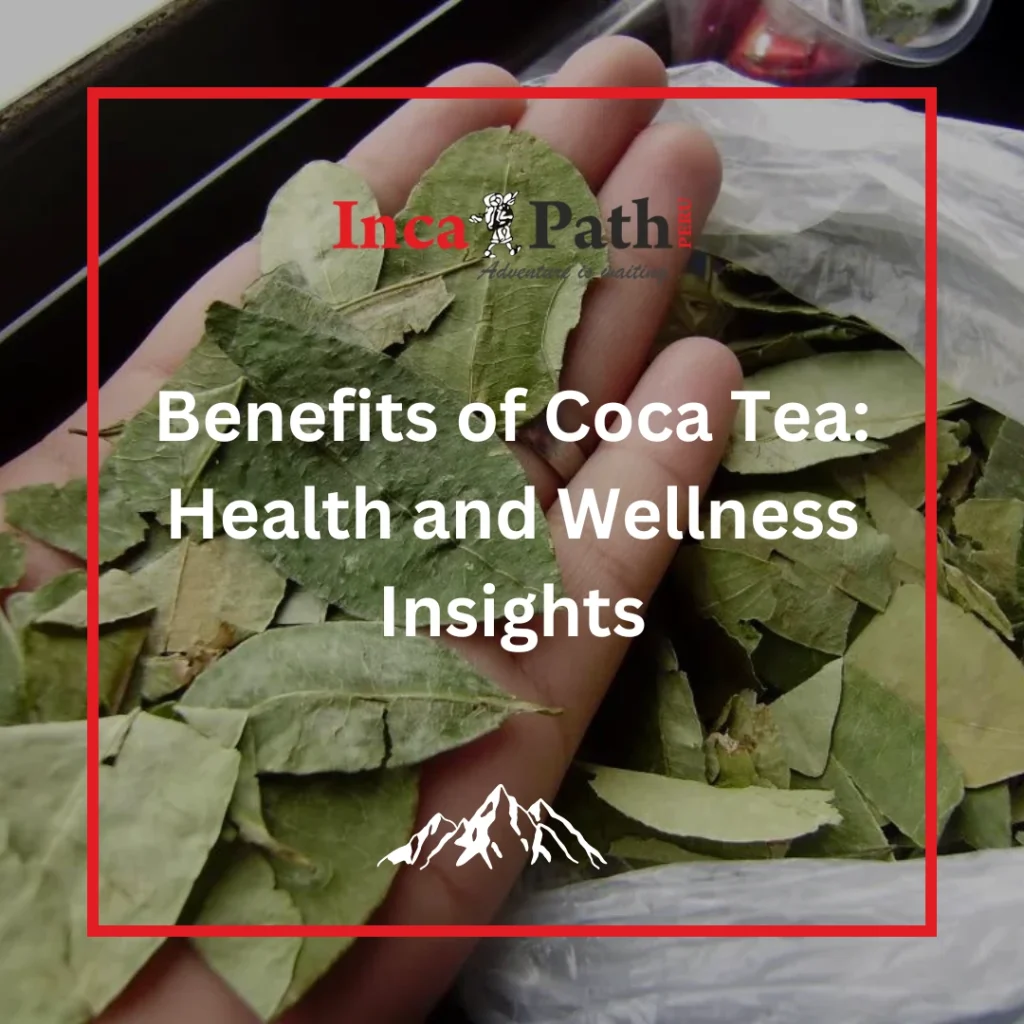
Coca tea offers numerous health benefits. This traditional beverage from the Andes is gaining popularity. Let’s explore how it boosts wellness. Rich in vitamins and minerals, coca tea supports overall health. It provides a natural energy boost. Many people use it to enhance focus and alertness. Coca tea helps with digestion and reduces bloating. It can also aid in weight management. Drinking it promotes a healthy body functions. Antioxidants in coca tea fight free radicals. This can reduce inflammation and support immune function. Regular consumption may improve overall well-being. It can be an amazing help if you are planning to hike the Choquequirao Trek or the Huchuy Qosqo Trek to Machu Picchu. Nutritional Value of Coca Tea Is also known as mate de coca, offers a remarkable range of nutrients. It is a staple in South America. People in Peru and Bolivia have consumed it for centuries. This tea contains essential vitamins and minerals. It is rich in calcium, which strengthens bones. Coca tea also provides significant amounts of iron. Iron in this tea helps combat anemia. It supports healthy red blood cell production. Additionally, this tea contains vitamin A and vitamin E. These vitamins support eye health and skin rejuvenation. It also has small amounts of protein. This makes it a nutritious beverage for daily consumption. Essential Nutrients in Coca Tea Coca tea is a source of several B vitamins. These vitamins are crucial for energy transformation. They help convert food into usable energy. The tea also provides riboflavin and niacin. These nutrients support cellular function and repair. Drinking it can enhance your body’s nutrient intake. Moreover, this tea contains antioxidants. These compounds fight free radicals in the body. They help reduce stress and inflammation. Present antioxidants promote overall health. They support the immune system’s functionality. Regular consumption can lead to better health outcomes. The Role of Alkaloids This tea contains natural alkaloids. These alkaloids act as mild stimulants. They provide a gentle energy boost without jitters. Decocainized coca tea is available. This version removes the cocaine content. The alkaloid extracted is cocaine from coca. Even decocainized, it still provides benefits. The remaining alkaloids enhance mood and alertness. Many people prefer it for its mild stimulant effects. It also contains tannins. Tannins have astringent properties. They can help soothe the digestive system. Comparing Coca Tea and Other Teas It offers unique benefits compared to other teas. It has a different nutritional profile. Unlike black or green tea, it contains significant minerals. The alkaloid content sets it apart. This makes it a preferred choice for many. It provides sustained energy without caffeine crashes. This tea is also lower in caffeine. This makes it suitable for people sensitive to caffeine. They can enjoy the benefits without adverse effects. It is similar to other traditional beverages. Like yerba mate, it is culturally significant. Indigenous peoples have used it for generations. The Cultural Significance of Coca Tea Indigenous peoples in South America revere coca tea. It is an integral part of their traditions. Coca leaf chewing is also common in these cultures. It holds spiritual and medicinal value. People use it in various ceremonies. It is a symbol of cultural heritage and resilience. Despite its benefits, this tea faces legal challenges. The Single Convention on Narcotic Drugs impacts its availability. Some countries restrict its use due to alkaloid content and extreme effects of coca leaf. In the United States, it is less accessible. It is often misunderstood due to its association with cocaine. However, decocainized versions are legal and safe. Adding Coca Tea into Your Diet You can easily add this tea to your daily routine. Moreover, it is available in tea bags and loose leaf forms. You can find it in health stores or online. To prepare it, simply steep the leaves in hot water. Then, let it brew for a few minutes. Finally, enjoy it plain or with a touch of honey. It is refreshing and energizing. In fact, many people start their day with a cup of coca tea. You can also use it in recipes. It adds a unique flavor to smoothies. Try adding it into your cooking for added nutrients. Potential Health Benefits of Coca Tea This tea supports overall wellness. It aids in digestion and weight management. The vitamins and minerals promote better health. Regular consumption can boost your energy levels. It enhances focus and mental clarity. It is a natural way to improve your well-being. People often use coca tea for altitude sickness if you are hiking the Salkantay Trek. It helps alleviate symptoms in high-altitude regions. This makes it popular among travelers in the Andes. Is also used for its anti-inflammatory properties. It can help reduce pain and swelling. This makes it beneficial for people with chronic conditions. It offers a wealth of nutritional benefits. It is rich in essential vitamins and minerals. Its unique properties support overall health and wellness. Incorporate this tea into your diet for a natural boost.  Boosting Energy and Focus Many know the coca tea for boosting energy and focus. This traditional medicinal drink has been there for centuries. Indigenous peoples of South America, especially in Bolivia and Colombia, have relied on it. Its natural alkaloids provide a gentle stimulant effect. Unlike highly addictive substances, it offers a balanced energy boost. People use it to stay alert without the jitters. Many professionals prefer it for sustained energy. It enhances focus and concentration. This makes it ideal for demanding tasks. Coca Tea vs. Coffee Coca tea offers a smoother energy boost compared to coffee. Coffee often leads to energy crashes. This tea provides steady, long-lasting energy. It has lower caffeine content. This makes it suitable for those sensitive to caffeine. They can enjoy its benefits without negative side effects. Moreover, it contains beneficial nutrients. These enhance its energy-boosting effects. People find coca tea a healthier alternative to coffee. Enhancing Mental Clarity Coca tea is effective in improving mental clarity. It helps sharpen focus and cognitive function. This makes it popular

Benefits of Coca Tea: Health and Wellness Insights Read More »

Best Alternative Routes to Machu Picchu

Hidden Trails: Best Alternative Routes to Machu Picchu

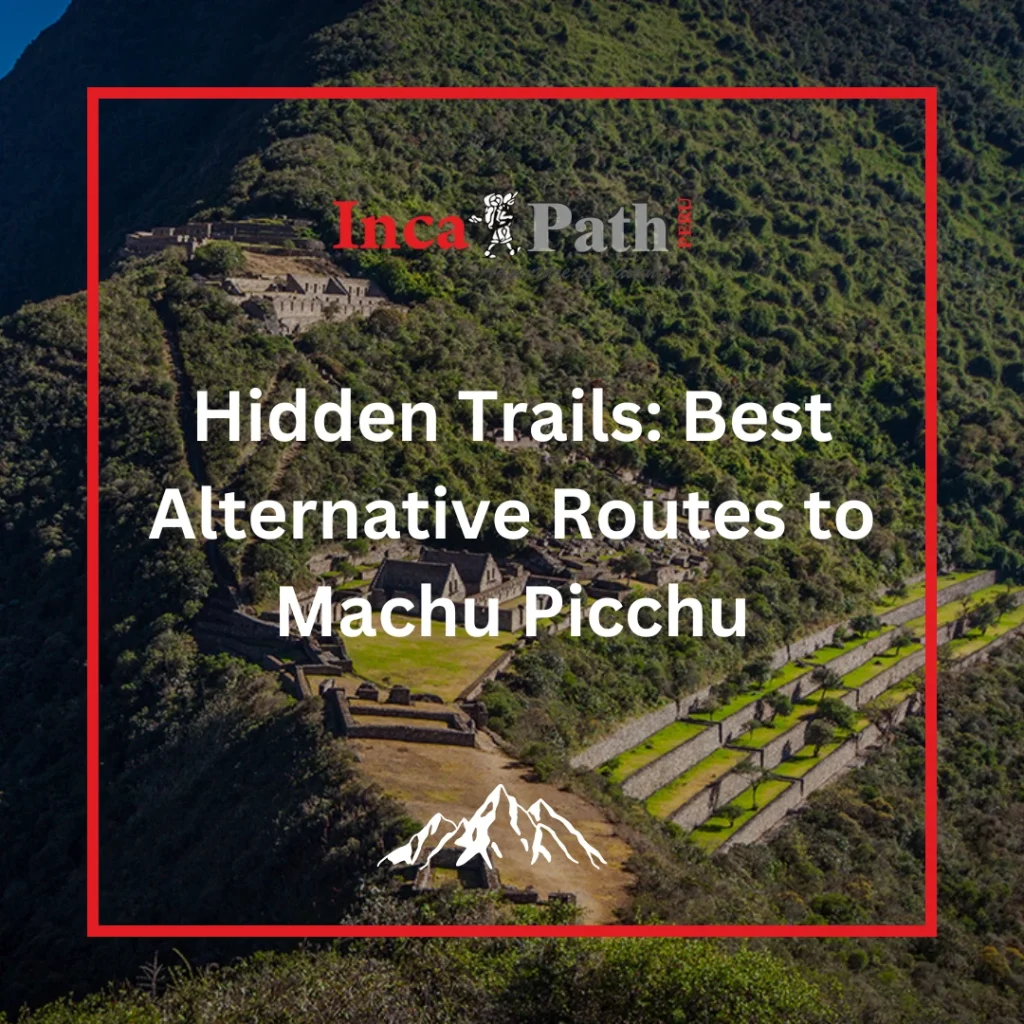
Discovering Machu Picchu is a dream for many travelers. However, the classic Inca Trail isn’t the only way to reach this iconic site. Exploring alternative routes to Machu Picchu offers a unique perspective and avoids crowded paths. In this guide, we’ll uncover lesser-known trails leading to Machu Picchu. These routes provide a blend of adventure and stunning scenery. They also offer a more tranquil experience compared to the traditional trail. Join us as we explore hidden paths that promise breathtaking views and rich cultural encounters. These alternative routes reveal the beauty and mystery of Peru’s landscape. Thus, prepare to uncover the secrets of Machu Picchu in a way few have experienced. Top of the Best Alternative Routes to Machu Picchu Discover Lesser-Known Paths: Unique Trails to Machu Picchu Beyond the Classic Inca Trail While the Inca Trail remains popular, many travelers seek alternative routes to Machu Picchu for a unique adventure. Exploring these lesser-known paths offers a chance to experience Peru away from the crowds. These alternative routes to Machu Picchu not only provide stunning vistas but also showcase the region’s hidden gems. Salkantay Trek: A High-Altitude Adventure The Salkantay Trek stands out among alternative treks to Machu Picchu with its dramatic mountain scenery. This trail crosses high-altitude passes and diverse terrain, including cloud forests and alpine valleys. Hikers are rewarded with spectacular views of the snow-capped Salkantay Mountain and access to breathtaking Inca ruins. Lares Trek: Cultural Immersion and Natural Beauty The Lares Trek offers a unique combination of cultural immersion and natural beauty. This trek passes through traditional Andean villages in the Lares Valley, providing insight into local life and customs. The route also includes hot springs where travelers can relax after days of hiking. Inca Jungle Trail: Adventure and Thrills For those seeking a mix of adventure and scenic beauty, our Inca Jungle Trail delivers. This route combines hiking with activities like zip-lining and mountain biking. The trail leads to Machu Picchu through lush cloud forests and offers an exhilarating way to experience the landscape. Choquequirao Trek: The Remote Sister of Machu Picchu The Choquequirao Trek is perfect for those looking to explore less-visited Inca ruins. This challenging route takes hikers to the remote site of Choquequirao, often called the “sister city” of Machu Picchu. It provides an immersive journey through rugged mountain ranges and archaeological wonders. These alternative routes to Machu Picchu offer diverse experiences for travelers seeking a unique adventure. Whether you are drawn to high-altitude treks or cultural immersion, these paths have Peru’s landscape and history. Exploring these hidden trails allows you to visit Machu Picchu from a fresh and unforgettable perspective. Escape the Crowds: Alternative Routes to Experience the Magic of Machu Picchu Experiencing the various Inca Trail treks to Machu Picchu away from the crowds requires exploring alternative routes. In fact, these trails offer unique perspectives and fewer visitors compared to the classic Inca Trail. With careful planning, travelers can enjoy a serene journey while discovering the rich history and stunning landscapes of Peru. Choosing the Right Trek Selecting the best alternative route to Machu Picchu starts with understanding your interests and fitness level. Therefore, to determine the best fit, consider what kind of adventure you seek—whether it’s high-altitude treks or cultural immersion. Each trek offers distinct experiences, from exploring remote Inca ruins to hiking through lush cloud forests. Planning and Permits While the classic Inca Trail requires a permit, most alternative routes to Machu Picchu do not. Nevertheless, it’s essential to secure permits or book tours in advance for popular alternatives. For instance, some routes require permits for specific sections, so plan ahead to avoid last-minute hassles. Prepare for Altitude and Weather Altitude sickness can affect travelers on many of the alternative treks to Machu Picchu. Acclimating to the altitude before starting your trek helps mitigate symptoms. Also, prepare for variable weather conditions by bringing appropriate clothing for rain, cold, and sun. Pack Smart and Light It is true that packing light and smart is crucial for any trek. Essential items include sturdy hiking boots, moisture-wicking clothing, a hat, sunscreen, and a reusable water bottle. A small backpack with your personal essentials will make your journey more comfortable. Optimize Your Itinerary When planning your trek, additionally, consider including extra days for rest and exploration. This approach helps you adjust to the altitude and enjoy the surrounding areas without feeling rushed. A multi-day tour in Peru can enhance your overall experience to explore diverse landscapes and cultural sites. If you don’t have the time to explore with any rush, try the Short Inca Trail. You will be able to see the Sun Gate and other sites like Wiñay Wayna. The trek in Peru is up to your needs and Inca Trail permits. Stay Hydrated and Nourished Maintaining hydration and energy levels is vital on any trek. Therefore, carry sufficient water and high-energy snacks to keep you energized throughout the hike. Please, have a proper nutrition and hydration contribute significantly to your overall comfort and performance on the trail. Respect Local Cultures Naturally, many alternative routes to Machu Picchu pass through local communities. Consequently, it’s important to respect local customs and practices. Engaging respectfully with locals enriches your experience and helps preserve the cultural integrity of the areas you visit. Capturing the Experience Don’t forget to bring a camera to capture the breathtaking views and memorable moments. Whether you’re admiring the sunrise or exploring ancient ruins, photos will serve as lasting memories of your adventure. Additionally, remember to be mindful of your surroundings and the preservation of the environment. By following these tips, consequently, you can make the most of your journey on the alternative routes to Machu Picchu. Thus, these trails not only help you escape the crowds. They  also allow you to experience this iconic destination in a unique and memorable way.

Hidden Trails: Best Alternative Routes to Machu Picchu Read More »